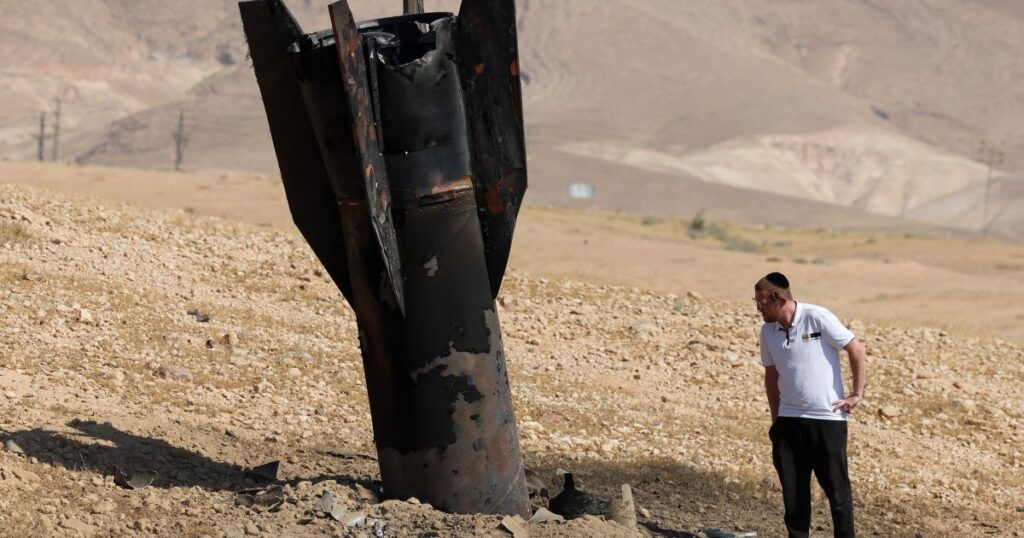
Tensions in the Middle East have escalated sharply as missiles were launched at Israel, marking a significant intensification during an already fragile situation. This development follows an Israeli attack on Lebanon’s capital, Beirut, which resulted in the deaths of at least two individuals and left 20 others wounded. These recent events have sparked widespread fears of a broader regional war.
The initial attack occurred in Beirut, where Israeli forces targeted specific locations presumably linked to militant activities. The assault caused considerable casualties and damage, provoking retaliatory measures. Shortly after, missiles were reported to have been fired towards Israel, heightening concerns about increased hostilities.
This exchange represents one of the most severe escalations in the ongoing conflict cycles between Israel and Lebanon-based factions. The attacks have drawn international attention, with many global leaders calling for restraint and urging both sides to avoid further provocations that could spiral into wider warfare.
Experts highlight that the situation remains volatile, with the possibility of additional military operations on both sides. The conflict dynamics involve complex political and sectarian elements, making resolution challenging. Civilian populations in affected areas face increasing risks as the conflict unfolds.
The United Nations and various human rights organizations have expressed deep concern about the unfolding violence, emphasizing the need for immediate de-escalation and humanitarian aid for those impacted. Diplomatic efforts are reportedly underway to mediate between the conflicting parties and prevent further bloodshed.
This latest flare-up underscores the fragile security situation in the region, where long-standing grievances and unresolved tensions continue to fuel confrontations. With the potential for escalation into full-scale war, the international community remains vigilant, seeking pathways to peace amid growing instability.
As the situation develops, all eyes remain on the Middle East, where the stakes are high and the consequences of continued conflict could be severe for regional and global security.