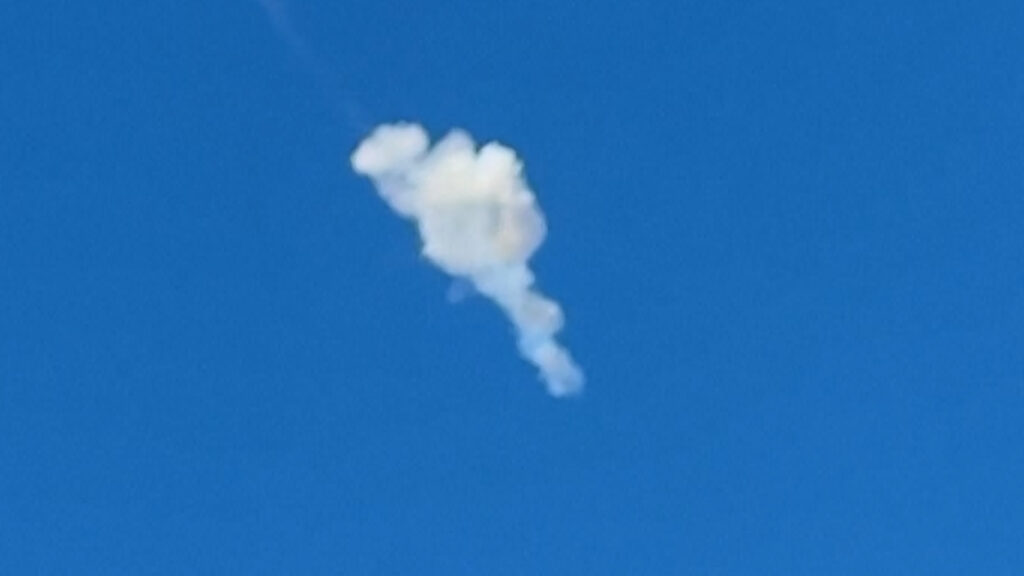
On Monday, the Israeli army successfully intercepted missiles launched from Iran targeting the occupied regions of East Jerusalem and the West Bank. The missile attack is reportedly a direct response to recent military actions carried out by Israel. This incident marks a significant escalation in the ongoing tensions between Iran and Israel.
The Israeli defense forces confirmed that the interception prevented any damage or casualties from the missile barrage. The situation remains tense in these areas, which have long been focal points of conflict and political unrest.
Iran’s involvement reflects its continued support for factions opposed to Israeli policies in the region. In recent months, there have been increased hostilities, with both sides engaging in retaliatory attacks.
East Jerusalem and the West Bank are predominantly Palestinian territories occupied by Israel, and they frequently witness clashes that exacerbate the instability in the Middle East.
The interception underscores the advanced capabilities of the Israeli military’s air defense systems, which are designed to detect and neutralize threats swiftly to protect civilian populations.
This event has drawn international attention, with various nations calling for restraint and urging both sides to return to diplomatic negotiations to prevent further escalation.
The missile attack and subsequent interception come amid a backdrop of diplomatic and military actions that continue to strain relations in the region.
Israel maintains that it will take all necessary measures to defend its sovereignty and citizens from external threats.
Meanwhile, Iran emphasizes its support for Palestinian groups and its opposition to Israeli occupation policies.
This latest episode of missile fire and interception could potentially lead to heightened security measures and further military responses, making the situation delicate and unpredictable.
Observers warn that sustained conflict could have wider implications, affecting regional stability and the international geopolitical landscape.
Both sides have been urged to exercise maximum restraint and to seek peaceful solutions through dialogue rather than military means.
As the situation develops, international watchers continue to monitor the security dynamics in East Jerusalem, the West Bank, and beyond.
The incident highlights the volatility of the Middle East and the complexities involved in resolving longstanding conflicts fueled by geopolitical rivalries and historical grievances.
In summary, the interception of missiles launched from Iran over East Jerusalem and the West Bank underscores ongoing hostilities and the precarious security environment in the region. This event serves as a stark reminder of the urgent need for diplomatic efforts to achieve lasting peace and stability.