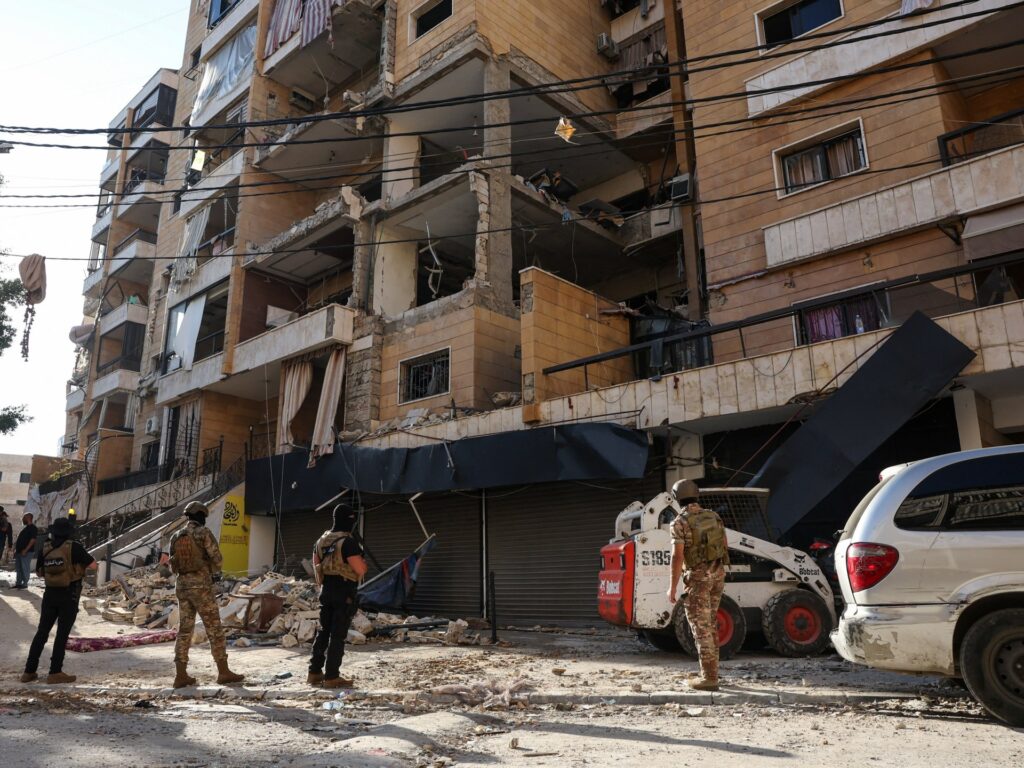
Iran has expressed a growing frustration and impatience toward what it describes as the continuous violations of the ceasefire by Israel and the United States. The ceasefire, intended to halt hostilities and pave the way for peaceful negotiations, has been repeatedly breached, according to Iranian officials, sparking heightened tensions in the region.
The Islamic Republic accuses Israel and the US of undermining efforts to stabilize the situation through their ongoing military actions and political maneuvers. Iranian leaders emphasize that these actions not only jeopardize regional security but also erode trust among parties involved in the ceasefire agreement.
Since the ceasefire was proclaimed, there have been numerous reported incidents of airstrikes, artillery fire, and ground incursions attributed to Israeli forces, with alleged tacit or direct support from US intelligence and military capabilities. Iran’s government views these actions as provocations that threaten the fragile peace and lead to further conflict escalation.
The Iranian foreign ministry has issued stern warnings to both Israel and the US, calling for immediate cessation of all hostile activities and urging respect for ceasefire terms. Officials stress that continuing violations will compel Iran to reconsider its strategic posture and alliances in the region.
In public statements, Iranian leaders have stated their willingness to pursue diplomacy and peaceful resolutions but have underscored that such efforts require genuine cooperation and adherence to agreed terms by all parties. They argue that the lack of accountability for ceasefire breaches undermines any prospects for resolving longstanding issues peacefully.
Analysts note that Iran’s hardening stance reflects its broader regional ambitions and concerns over security threats posed by Israel’s military presence and US influence in the Middle East. The tensions are part of a complex web involving multiple actors and interests, making the path to lasting peace challenging and fraught with setbacks.
International observers express concern over the potential for renewed violence, urging all involved to recommit to ceasefire agreements and engage in constructive dialogue. The situation underscores the fragility of regional stability and the urgent need for renewed diplomatic efforts to prevent further deterioration.
In summary, Iran’s warning serves as a significant indicator of the escalating regional tensions fueled by what it perceives as systematic ceasefire violations by Israel and the US. The international community remains watchful, hoping for restraint and a return to peaceful negotiations in a region long marred by conflict.