Refugees residing in the Cox’s Bazar settlement in Bangladesh are increasingly facing hardships due to drastic cuts in United Nations funding. The reduction in financial support has led to significant challenges in areas critical to the refugees’ well-being, including food aid, healthcare, sanitation, and education.
Cox’s Bazar is home to one of the largest refugee populations globally, with hundreds of thousands of people having fled violence and persecution from Myanmar. The UN agencies responsible for managing relief efforts have had to scale back essential services due to budget shortfalls. This has directly affected the refugees’ quality of life and survival.
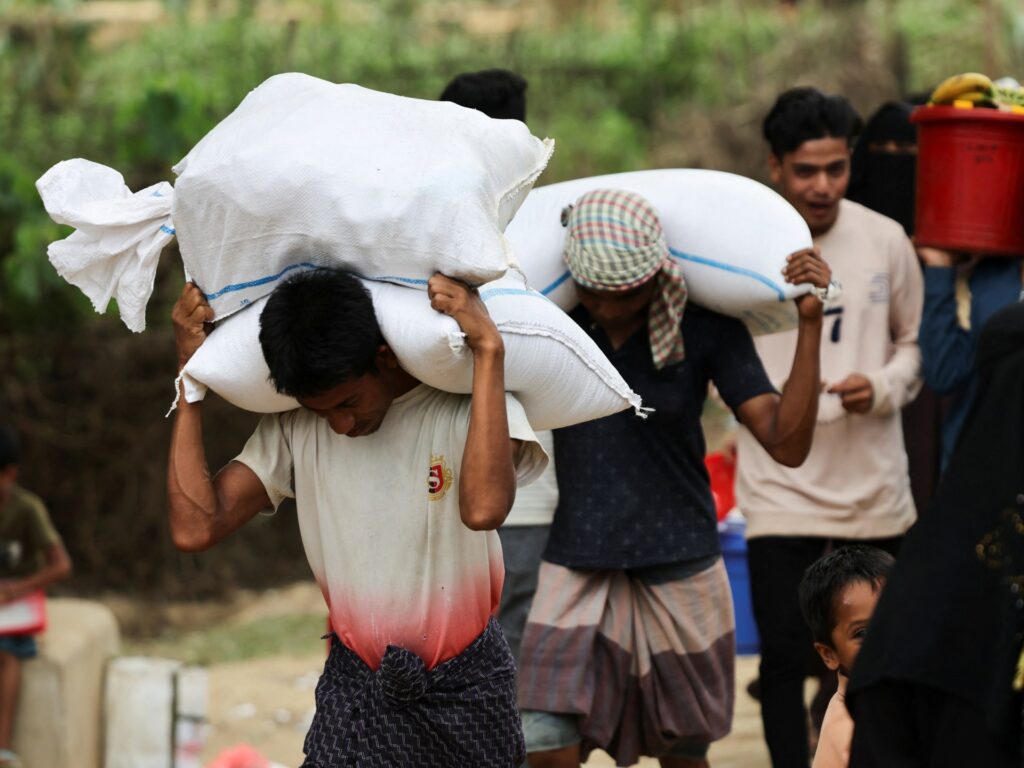
Food distributions have been reduced in both quantity and frequency, resulting in many refugees experiencing hunger and malnutrition. Healthcare services have also been curtailed, causing difficulties for individuals with chronic conditions and pregnant women requiring medical attention. The shortage of clean water and adequate sanitation has heightened the risk of disease outbreaks, compounding the refugees’ vulnerability.
Education programs for children and youth in the camp have suffered as well. Many students have lost access to vital learning resources and safe spaces due to the UN’s financial constraints. As a result, hopes for a better future through education have dimmed for many young refugees.
Humanitarian organizations have called for urgent international support to restore funding levels and prevent further deterioration of living conditions in Cox’s Bazar. Prior to the funding cuts, UN agencies and partners had been working tirelessly to improve infrastructure, provide psychosocial support, and enhance protection mechanisms within the settlement.
The impact of these cuts extends beyond immediate welfare, threatening to exacerbate chronic vulnerabilities among refugees who have already endured trauma and displacement. Without adequate funding, it will be challenging to maintain even basic humanitarian assistance and uphold the rights and dignity of the displaced populations.
International donors are urged to step up their contributions to ensure the continuation and expansion of life-saving interventions. The situation in Cox’s Bazar highlights the broader challenges of sustaining refugee assistance amid competing global crises and economic constraints.
In summary, the UN funding cuts are severely impacting the refugees at Cox’s Bazar, putting millions at risk by reducing access to essential services, increasing food insecurity, limiting health care, and interrupting education. Addressing the funding gap is crucial to safeguard the lives and futures of vulnerable refugees in one of the world’s most critical displacement settings.