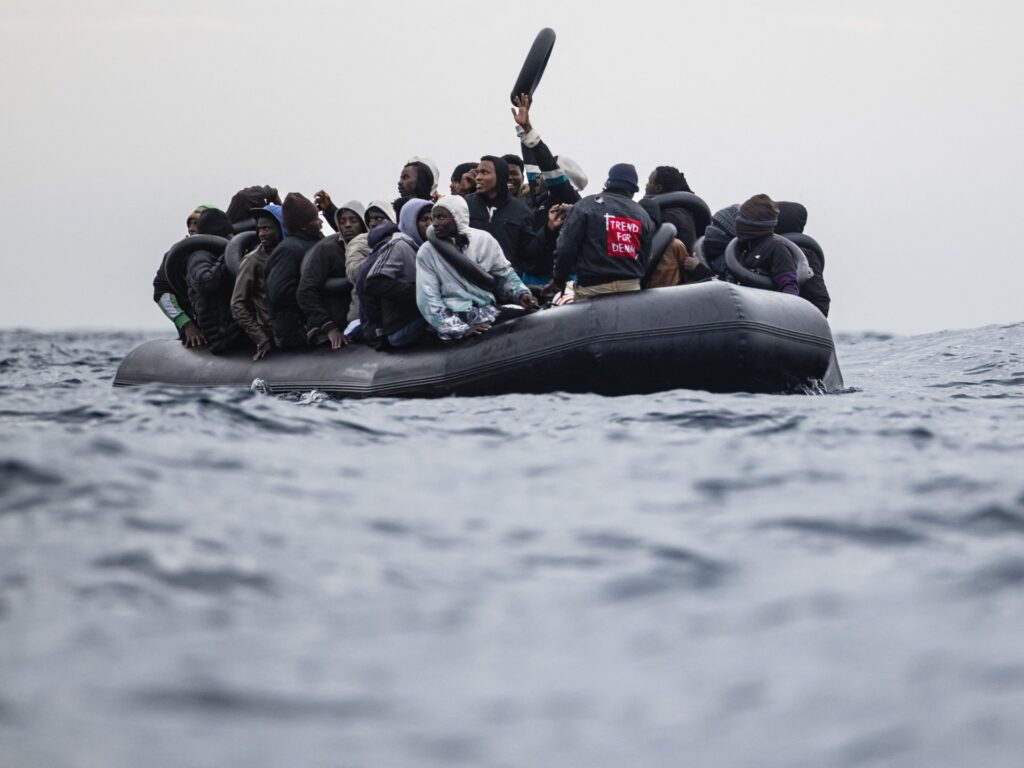
In a heartbreaking incident highlighting the ongoing migrant crisis in the Mediterranean, Italy has recovered 10 bodies after a boat carrying nearly 60 migrants capsized off the coast of Malta. The incident is a stark reminder of the dangerous journeys undertaken by refugees and migrants attempting to reach safety and better opportunities in Europe.
This tragedy comes amid a year already marked by a high death toll among those crossing the Mediterranean Sea in search of refuge. According to recent reports, at least 990 refugees and migrants have lost their lives in 2024 while trying to make the perilous journey across these waters.
The capsized boat incident occurred near Malta, a key transit point for migrants heading towards Europe. Emergency services and rescue teams responded promptly, managing to recover 10 bodies from the sea. The fate of the remaining passengers is uncertain, with rescue operations ongoing.
The Mediterranean migration route remains one of the most dangerous in the world. Many migrants embark on overcrowded and unseaworthy vessels, facing risks such as drowning, dehydration, and exposure to harsh weather conditions. Despite international efforts to manage and reduce these tragedies, the number of migrants attempting the crossing continues to be high.
Italy and Malta, frontline countries in handling migrant arrivals, frequently conduct search and rescue operations. Authorities work alongside humanitarian organizations to provide aid and support to survivors as well as to identify victims.
The recent boat sinking is part of a larger pattern of migrant tragedies that underline the urgent need for comprehensive policies addressing the root causes of migration. These include conflict, poverty, and persecution in home countries, as well as the challenges faced by migrants en route.
Humanitarian groups have called for increased cooperation among European countries to create safer pathways for migrants and refugees. They emphasize the importance of rescue missions, better coordination, and preventive measures to reduce loss of life.
The international community is urged to address the plight of migrants with more robust actions, combining efforts in development aid, conflict resolution, and protection of human rights.
This latest incident is a poignant reminder of the human cost behind migration statistics. Each life lost represents a story of desperation and hope, highlighting the necessity for global empathy and urgent action.
As rescue operations continue in the Mediterranean, the world watches with concern, hoping for more survivors and a future where such tragedies become a rarity rather than a recurring nightmare.