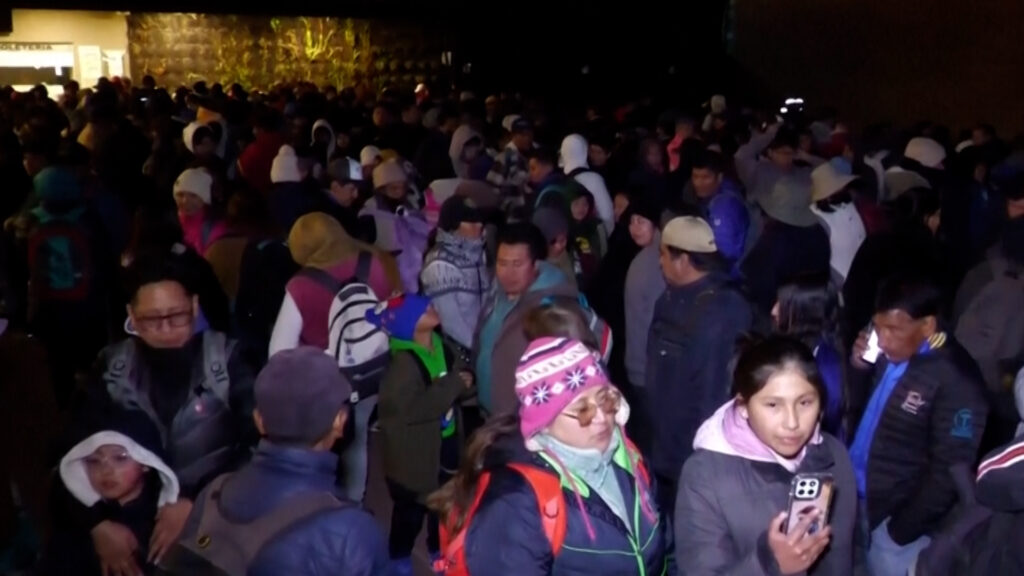
In La Paz, Bolivia, hundreds of residents have been enduring near-freezing temperatures as they line up to purchase affordable food, particularly chicken. This significant turnout highlights both the severe economic challenges faced by many Bolivians and the scarcity of affordable nutritious food options in the city. The cold weather does not deter these individuals and families who prioritize access to affordable meals over their comfort, underscoring the vital role affordable food supplies play in local communities. The long queues formed in the early hours, often well before dawn, reflect the high demand and limited availability of such essentials. Activists and social organizations have expressed concern about the continuing struggles faced by vulnerable populations in Bolivia, emphasizing the importance of government and community support to address food insecurity. Markets and sellers are responding by attempting to maintain steady supplies, striving to keep prices low despite economic pressures. This scene in La Paz paints a broader picture of ongoing socio-economic issues in the region, where many people must make daily sacrifices amid challenging conditions just to meet basic needs. Efforts are underway by various sectors to improve the situation, including initiatives to increase food subsidies, enhance distribution networks, and support local agriculture. The resilience demonstrated by the Bolivian people in these queues serves as a testament to their determination to overcome hardship through unity and resourcefulness. However, the persistent cold and the hardships faced during these waits also draw attention to the urgent need for comprehensive social policies aimed at safeguarding food security and public health in Bolivia. As winter progresses, the demand for affordable food is expected to rise, making it critical for authorities to anticipate and respond to the needs of their populations rapidly. The situation in La Paz thus not only underscores the immediate necessity for affordable food but also calls for sustained investment in social welfare programs to ensure that no one has to choose between hunger and harsh weather conditions.