In a significant legal decision, a judge has struck down the Trump administration’s restrictions that barred asylum seekers and visa applicants from 39 countries. The ruling highlights that these restrictions put the lives of immigrants in an “indeterminate legal limbo” and were motivated by “anti-immigrant sentiment,” according to the judge’s statement.
The restrictions, which were implemented during the Trump presidency, aimed to impose stringent limitations on asylum claims and visa processing for nationals from the listed countries. Critics of the policy have argued that these measures were discriminatory and lacked a valid legal basis, effectively hindering the ability of refugees and immigrants to seek protection under U.S. law.
The judge’s ruling comes as a relief to advocacy groups and immigrant rights organizations who have long campaigned against the Trump-era policies. They argue that these restrictions not only undermined the humanitarian values of the asylum system but also jeopardized the safety and legal status of thousands of vulnerable individuals.
The court found that the restrictions placed immigrants in a precarious legal position, one that neither allowed them to advance their cases nor provided clear guidance on their legal rights. This uncertainty was referred to as an “indeterminate legal limbo,” a situation that could last indefinitely and cause severe hardship for those affected.
Moreover, the ruling emphasized that the policies were driven by “anti-immigrant sentiment,” highlighting an underlying bias in the enforcement of immigration laws. The judge noted that such motivations are incompatible with the principles of fairness and equal protection under the law.
The 39 countries affected by the restrictions include several nations from regions such as Africa, the Middle East, and Latin America. Nationals from these countries had experienced significant delays or denials in visa processing and asylum applications due to the policies.
Following the ruling, immigration advocates have called for the immediate lifting of the suspended restrictions and the restoration of more equitable and efficient processing systems. They stress the importance of ensuring that asylum seekers and immigrants are treated with dignity and respect, and that their cases are adjudicated without prejudice.
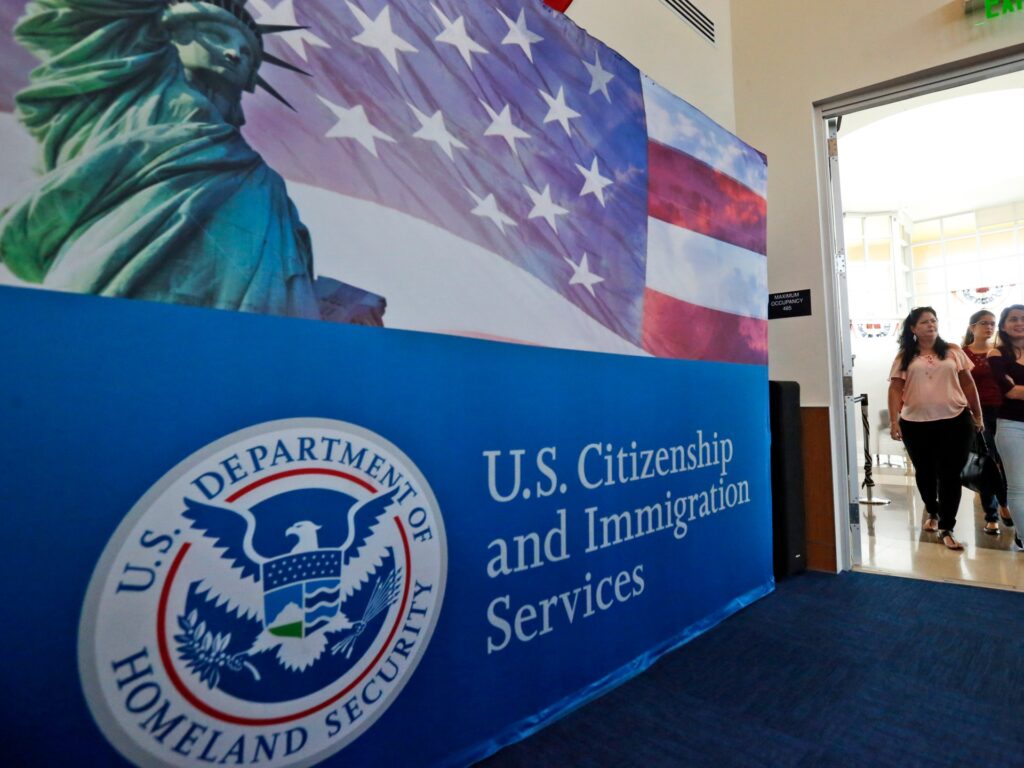
The Department of Homeland Security and the State Department have yet to issue formal responses to the ruling. However, the decision sets a precedent that could influence how future immigration policies are crafted and evaluated, underscoring the judiciary’s role in checking executive actions that might discriminate against certain groups.
This legal victory marks an essential step toward safeguarding immigrant rights and reaffirming the United States’ commitment to providing refuge for those fleeing persecution and hardship. The ruling also serves as a reminder that immigration policies must be guided by justice and compassion, rather than exclusion and bias.
As the nation continues to grapple with immigration reform, this decision could impact the administration’s approach and encourage the development of policies that better reflect the country’s values of inclusion and fairness. The case highlights the ongoing tension between security concerns and humanitarian obligations within immigration debates.
In conclusion, the judge’s ruling to strike down the Trump-era asylum and visa restrictions is a pivotal development that could transform the landscape of U.S. immigration law and policy. It underscores the need to balance national interests with the human rights and legal protections due to those seeking safety and opportunity in America.