Iran is currently experiencing an inflation crisis of unprecedented proportions, with prices reaching the highest levels recorded since World War II. This economic turmoil has led to sweeping hardships for everyday Iranians, drastically affecting their ability to afford basic necessities.
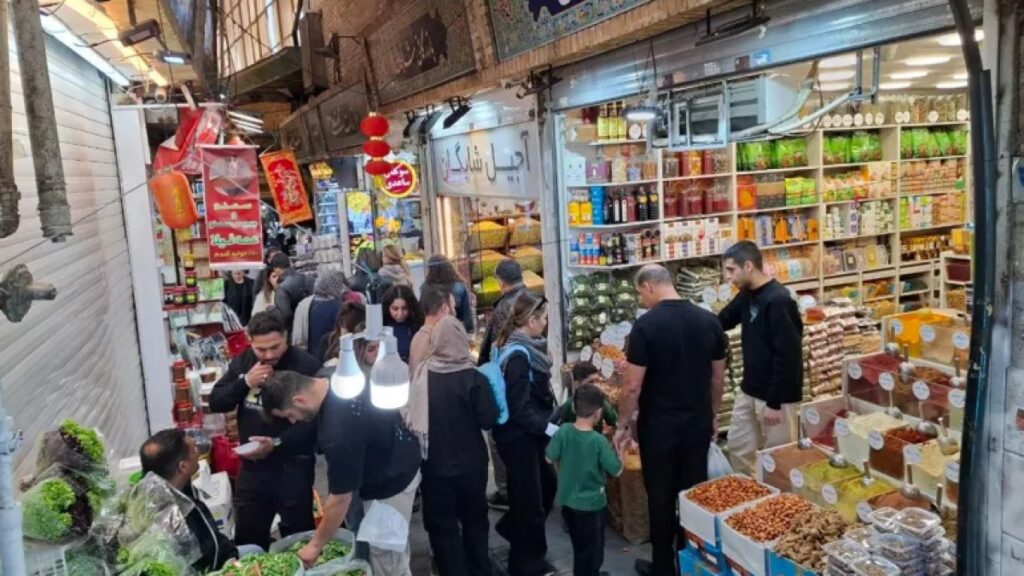
One of the stark indicators of this inflation surge can be seen in the soaring cost of red meat, a staple in many Iranian diets. Residents now describe red meat as “a dream,” highlighting how far out of reach this once-regular food item has become. The dramatic price hikes have forced many families to drastically cut back on meat consumption, turning to cheaper, less nutritious alternatives.
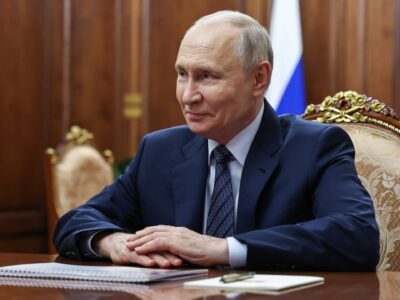
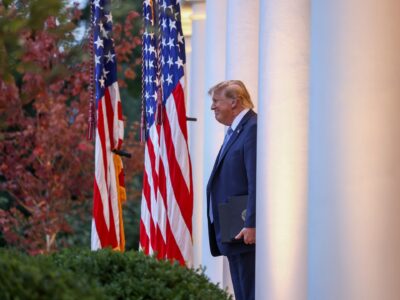
The inflationary spike is driven by multiple factors, with the ongoing geopolitical tensions between Iran and the United States playing a significant role. Sanctions and trade restrictions imposed by the US have severely limited Iran’s economic capabilities, restricting access to foreign currency, technology, and goods. However, the war with the US is only part of a complex web contributing to the economic crisis.
Other domestic issues like mismanagement, corruption, and economic policy failures have exacerbated the inflationary pressures. Supply chain disruptions and currency devaluation have fueled a cycle of price increases, hitting the average consumer hardest.
The devaluation of Iran’s currency, the rial, has particularly contributed to the rising prices. As the rial weakens, the cost of imports—including food, medicine, and essential goods—increases dramatically, driving overall inflation. Many Iranians are facing severe difficulties as their incomes stagnate or fail to keep pace with rising living costs.
The humanitarian impact is significant. Families throughout Iran are adapting by altering their dietary habits, reducing consumption of high-cost items like red meat and fresh produce. Malnutrition concerns are rising, especially among vulnerable populations such as children and the elderly.
The government has attempted to intervene with price controls and subsidies, but these measures have been insufficient to stem the tide of inflation. Additionally, there are concerns that such policies may discourage production and supply, potentially worsening the shortages.
Economists warn that without substantial reforms and easing of international pressure, Iran’s inflation crisis could deepen further. The economic instability not only undermines citizens’ quality of life but also fuels social unrest and reduces the government’s legitimacy.
International observers are calling for balanced diplomatic efforts to resolve tensions and support economic stabilization in Iran. Addressing the underlying causes of inflation requires cooperation and policy reforms both within the country and through international engagement.
In summary, Iran’s inflation reaching heights unseen since World War II represents a multifaceted crisis. While external factors such as the conflict with the US contribute significantly, domestic challenges and economic mismanagement are equally to blame. As millions struggle with skyrocketing prices and declining living standards, urgent action is imperative to reverse the trend and ensure the welfare of the Iranian people.