Recent clashes in Mogadishu have further intensified Somalia’s ongoing political crisis, underscoring the fragile state of the nation’s governance and the challenges ahead for peace and stability. These renewed tensions stem largely from disagreements surrounding the upcoming Somali elections, which have long been a source of political friction.
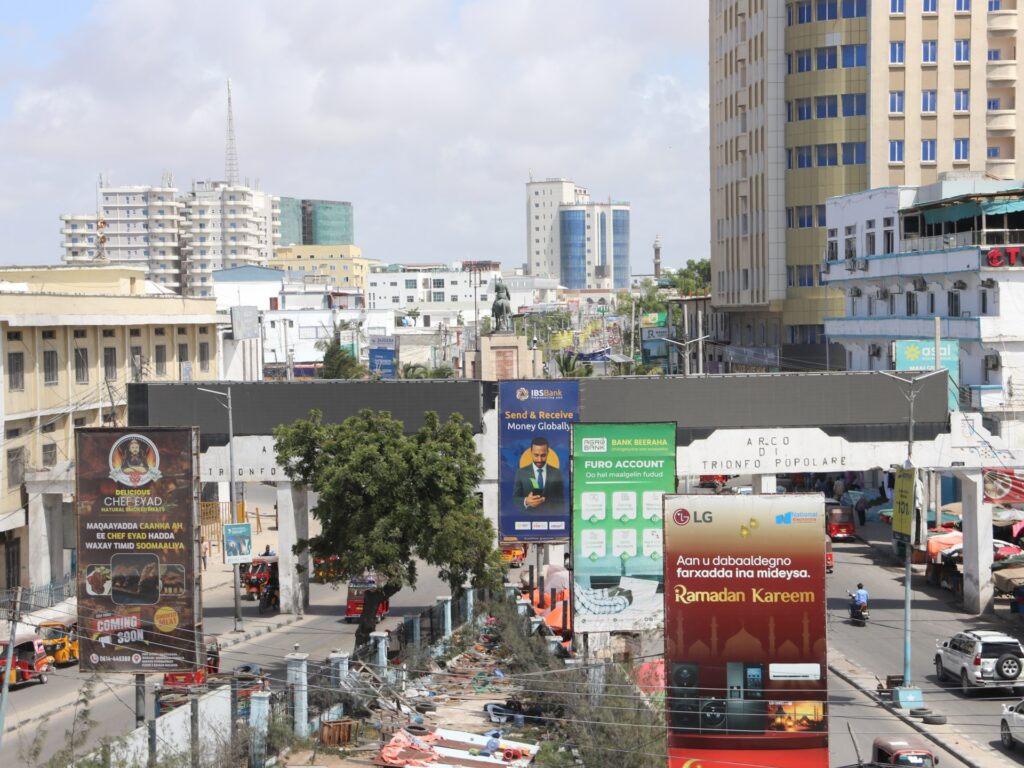
Mogadishu, the capital city and the heart of Somalia’s political landscape, has become a focal point of violence as armed confrontations erupted between rival factions. This escalation has not only impacted political leaders and institutions but has also severely disrupted the daily lives of ordinary citizens. Residents find themselves caught in the crossfire, facing fear, displacement, and interruptions to essential services.
The root causes of the violence can be traced to deep-seated divisions over electoral processes and power-sharing arrangements. Somalia’s federal system, which divides power between the central government and regional states, has struggled to produce consensus on key issues such as election dates, methods, and participation criteria. These disagreements have fueled mistrust among political actors, some of whom have resorted to force to assert their positions.
Political factions in Mogadishu have been contesting authority, each accusing the other of undermining Somalia’s fragile democracy. The Somali electoral timeline has repeatedly shifted, exacerbating uncertainty. This uncertainty has created an environment ripe for manipulation and confrontation.
Beyond politics, the clashes have broader social implications. Mogadishu’s civilians endure disruptions in commerce, schooling, and healthcare. Markets shut down during violent incidents, curfews restrict movement, and humanitarian aid efforts face logistical obstacles. These conditions aggravate the already precarious humanitarian situation in Somalia, a country still recovering from years of conflict, drought, and economic hardship.
International observers and the African Union have voiced concern over the potential for these clashes to destabilize the entire Horn of Africa region. Somalia’s stability is crucial not only for its people but also for regional security, trade routes, and counterterrorism efforts.
Efforts to mediate the crisis include calls for dialogue and negotiation among Somali leaders, with encouragement from the United Nations and regional bodies. However, progress has been slow and fragile, as mistrust remains high and political stakes are significant.
The ongoing violence in Mogadishu reveals the complexities of Somalia’s political landscape, where ethnic, regional, and clan affiliations intersect with governance challenges. Resolution of these clashes and the broader political crisis requires inclusive political processes, adherence to constitutional timelines, and commitment from all parties to prioritize national stability over partisan interests.
In conclusion, the Mogadishu clashes are emblematic of Somalia’s continuing struggle to transition from conflict to stable governance. Without immediate and concerted efforts towards reconciliation and credible elections, Somalia risks further destabilization, with dire consequences for its citizens and the broader region.