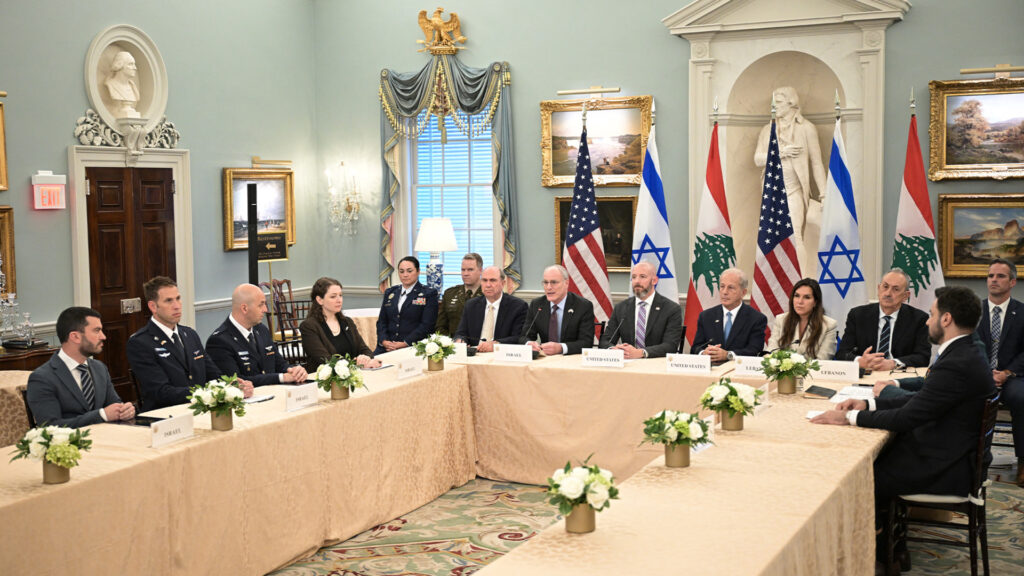
In a significant development toward de-escalating tensions in the Middle East, Israel and Lebanon have reached a ceasefire framework during talks facilitated by the United States. This agreement marks an important step in reducing hostilities between the two nations, which have a long history of conflict.
The US played a pivotal role in bringing both parties to the negotiating table, emphasizing the urgent need to halt violence and restore stability in the region. The framework outlines key provisions aimed at preventing further military engagements and encourages dialogue to resolve ongoing disputes.
Despite this progress, the absence of Hezbollah representatives in the negotiations has raised concerns regarding the enforcement and sustainability of the ceasefire. Hezbollah, a significant political and militant organization based in Lebanon, has considerable influence over Lebanese affairs and is often involved in actions against Israel.
Analysts suggest that without Hezbollah’s buy-in, the ceasefire may face challenges in full implementation, as the group could continue operations independently of the Lebanese government’s agreements. This dynamic adds complexity to the peace process and necessitates continued diplomatic efforts to engage all stakeholders.
The United States expressed optimism about the framework, highlighting it as a foundation for future peace efforts. However, officials also acknowledged the fragile nature of the agreement and the need for ongoing monitoring and support from the international community.
Local populations in both Israel and Lebanon have experienced the devastating consequences of past conflicts, and there is cautious hope that the ceasefire framework might lead to reduced casualties and a path toward long-term peace.
The international community has welcomed the ceasefire framework, urging all parties involved to adhere to their commitments and engage in constructive dialogue. Peacekeepers and observers may be deployed to monitor compliance and assist in maintaining the ceasefire conditions.
Going forward, the focus will be on ensuring that the framework is translated into concrete actions and that efforts are made to bring Hezbollah into the peace process. Successfully integrating all relevant groups is considered essential for a durable and comprehensive resolution to the Israel-Lebanon conflict.
In summary, the Israel-Lebanon ceasefire framework brokered by the US represents a hopeful advance in a deeply troubled region. While challenges remain, particularly regarding Hezbollah’s participation, the agreement lays the groundwork for potential stability and peace. Continued international engagement and diplomatic efforts will be critical in turning this framework into lasting peace, benefiting not only Israel and Lebanon but contributing to broader regional security.