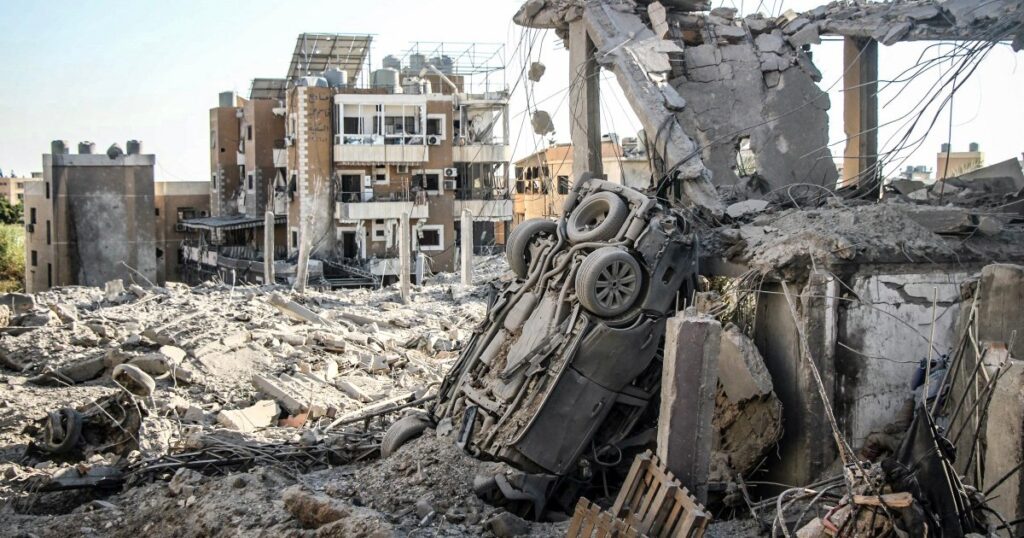
In a recent escalation of the conflict in the Middle East, Israel launched attacks on Lebanon, resulting in several injuries despite the announcement of a new ceasefire. This development marks a significant violation of the fragile truce that was intended to bring peace to the region.
Lebanon’s Health Ministry has reported a devastating death toll, with 3,516 people killed by Israeli strikes since March. The continuous violence underscores the fragile nature of peace efforts and the humanitarian toll on civilians caught in the conflict.
The ceasefire was hoped to be a turning point, halting hostilities and allowing for stability and rebuilding. However, the recent attacks have shattered these hopes, leaving many injured and the death toll rising.
The regional situation remains highly volatile, with tensions between Israel and Lebanon fueled by longstanding geopolitical and sectarian disputes. The international community has expressed concern over the escalation and called for renewed dialogue and peacebuilding efforts.
The incident has intensified fears of a broader conflict erupting in the region, with potential implications for stability in the Middle East and beyond. Humanitarian organizations are working to provide aid and support to the affected populations, but access remains challenging due to ongoing security concerns.
Efforts to enforce the ceasefire and protect civilians will require concerted action from all parties involved, including local governments, regional powers, and international bodies. The path to peace is fraught with difficulties, but the urgent need to prevent further loss of life remains paramount.
As the situation evolves, the world watches closely, hoping for a swift resolution and a return to peace for the people of Lebanon and the broader region.