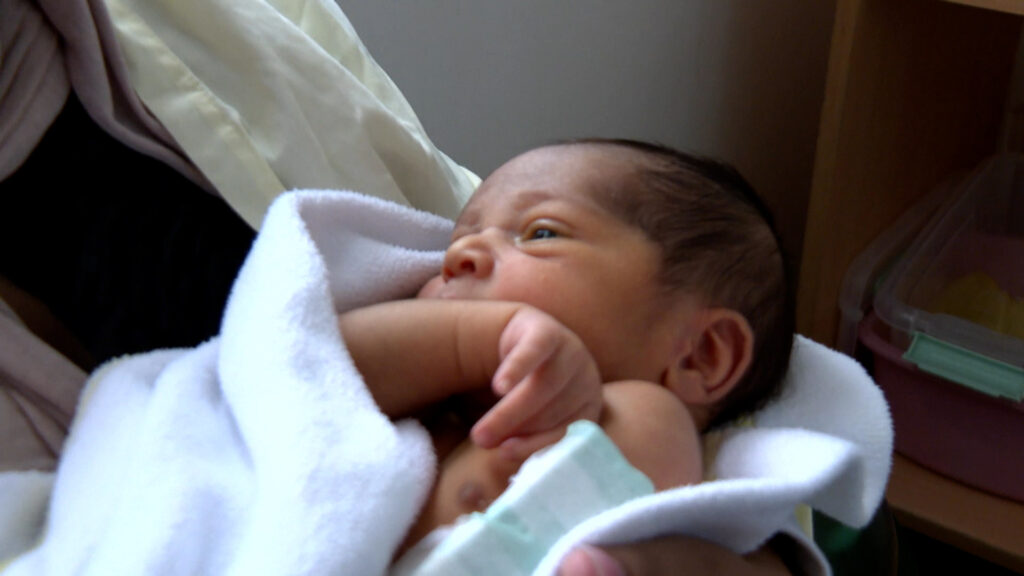
In a recent tragic event, Israeli airstrikes near Jabal Aamel Hospital in Tyre have severely impacted the medical facility, leaving the youngest patient at significant risk. The hospital, a critical healthcare provider in the area, suffered heavy damage after nearby buildings were completely leveled by the strikes. This destruction has jeopardized the availability of essential medical services and left medical personnel struggling to provide care under extremely difficult conditions.
Jabal Aamel Hospital is known for its vital role in serving the local population, including vulnerable patients such as children and the elderly. The damage caused by the airstrike not only compromised the hospital’s infrastructure but also threatened the safety and well-being of patients, especially the youngest ones who require constant medical attention and specialized care.
Eyewitnesses reported that the explosions caused panic and chaos both within and around the hospital premises, complicating evacuation and emergency response efforts. Despite the challenges, hospital staff have remained dedicated to their duties, working tirelessly to ensure that critical medical treatment continues amid the ongoing crisis.
The destruction of nearby buildings due to the airstrikes has left the hospital isolated, further straining resources and hampering logistical support. Medical supplies, equipment, and personnel transportation have all been adversely affected.
Human rights and health organizations have expressed grave concern over the attacks. They emphasize that targeting or striking near medical facilities violates international humanitarian laws, which protect hospitals and medical staff during conflicts.
The incident raises urgent questions about the protection of civilian infrastructure in conflict zones and highlights the devastating impact of military operations on healthcare services. Patients, including the youngest who often cannot speak for themselves, bear the brunt of such violence, facing increased health risks and potential loss of life.
Calls for accountability and immediate cessation of attacks near medical facilities have been made by international bodies and advocacy groups. They urge all parties involved in the conflict to respect humanitarian principles and ensure the safety of healthcare providers and patients alike.
In the meantime, the local community around Tyre remains deeply affected by the violence, with many fearing further strikes and destruction. Efforts are ongoing to assess the full extent of the damage and to mobilize support for the hospital’s recovery and continuity of care.
This incident at Jabal Aamel Hospital serves as a stark reminder of the human cost of war, especially for the most vulnerable members of society. It underscores the critical need for peace, protection of civilian areas, and preservation of essential medical institutions in times of conflict.
As investigations continue, the international community watches closely, hoping for swift action to prevent further harm and to uphold the rules of war designed to shield non-combatants and critical humanitarian infrastructure from harm.