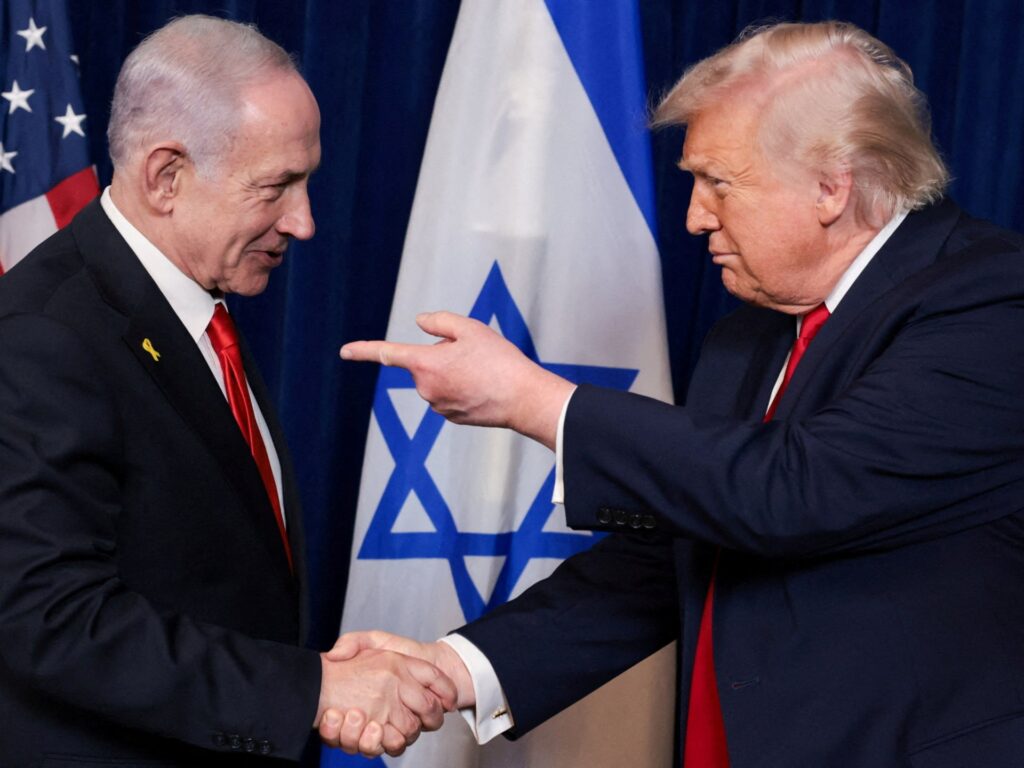
In recent developments surrounding US-Israel relations, Israeli Prime Minister Benjamin Netanyahu has downplayed any perceived rift with the United States after former US President Donald Trump publicly confirmed he had criticized Netanyahu. Trump acknowledged that he had issued harsh words directed at Netanyahu, particularly concerning Israeli military actions in Lebanon. Despite these criticisms, Trump emphasized that he maintains a favorable view of the Israeli leader, stating that he ‘likes’ Netanyahu. This declaration comes amid ongoing regional tensions and scrutiny over military engagements in Lebanon, which have drawn international attention and varying responses. Netanyahu’s approach to the comments suggests a commitment to maintaining a stable and cooperative relationship with the US, a key ally for Israel in diplomatic, military, and economic arenas. Analysts note that such public admissions from Trump shed light on the complexities of personal and political dynamics influencing US-Israel relations. The Israeli Prime Minister’s response aims to reassure both domestic and international audiences that the alliance remains strong despite differences in opinion or strategy. This episode highlights the delicate balance world leaders must strike in managing alliances while addressing contentious issues. It also underscores the importance of nuanced diplomacy in international relations, particularly when key partners express divergent views. Moving forward, observers will watch closely how these interactions impact policy decisions, regional security, and collaborative efforts in addressing broader Middle Eastern challenges. The situation serves as a reminder that even longstanding alliances are subject to testing and require careful navigation to uphold mutual interests.