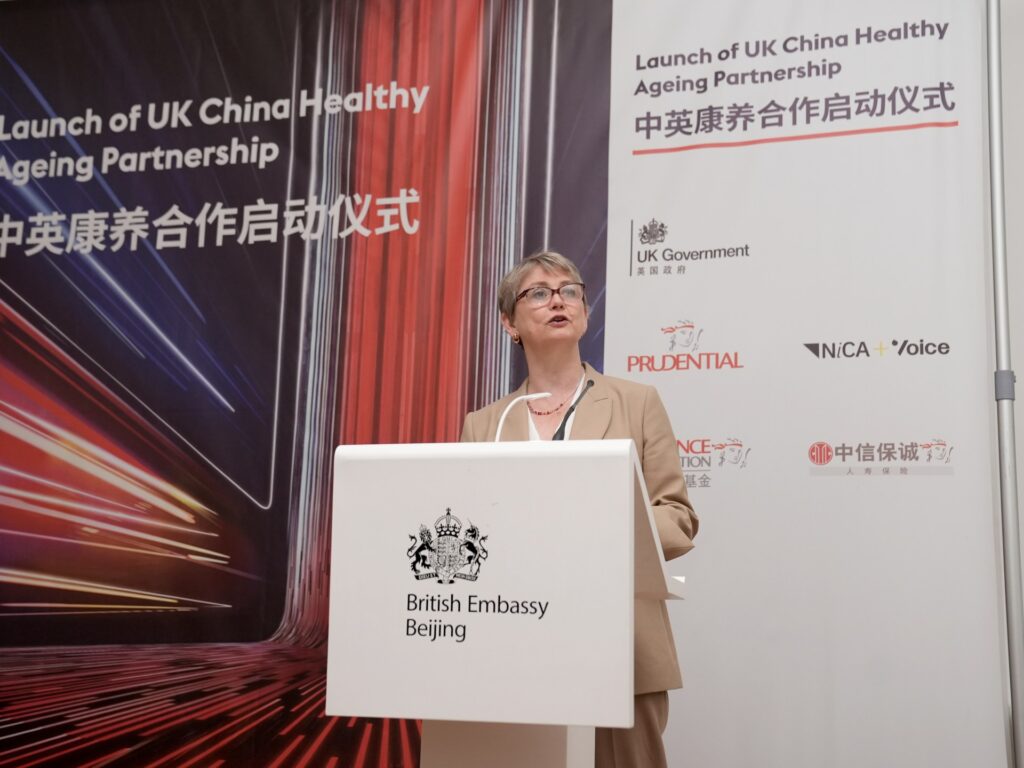
The longstanding chill in UK-China relations, often likened to an ‘ice age,’ appears to be thawing as British Foreign Secretary Yvette Cooper emphasizes a new era characterized by candour and respect despite ongoing differences. This development marks a significant shift in diplomatic engagement between the West and Beijing, underscoring the importance of pragmatic cooperation amid global challenges.
For years, Western nations, including the United Kingdom, have approached China with caution, wary of its growing influence and differing political ideologies. However, recent dialogues suggest a willingness to look beyond past suspicions and find common ground. Cooper’s statements reflect an acknowledgment that engagement with China is indispensable for addressing critical international issues such as climate change, trade stability, and geopolitical security.
This renewed diplomatic warmth does not imply overlooking contentious issues. Instead, it paves the way for open conversation—a strategic pivot from confrontation to constructive dialogue. Cooper’s advocacy for ‘candour and respect’ signals a mature approach to diplomacy where both parties can express concerns candidly while maintaining a respectful tone.
The UK’s stance resonates with a broader Western realization that isolating China might be counterproductive. The interconnected nature of today’s global economy and security frameworks necessitates collaboration. China’s role as a major economic powerhouse and a key player in global governance bodies cannot be ignored.
This thawing of relations also reflects the UK’s desire to position itself as a bridge between the East and West, facilitating cooperation on worldwide challenges that no nation can tackle alone. It highlights a strategic shift from unilateral policies toward multilateral engagement, seeking balance between national interests and global responsibilities.
Observers note that this approach could lead to more stable and predictable relations, reducing risks of misunderstandings and conflicts. It may also encourage other Western countries to reconsider their policies toward Beijing, fostering a more nuanced and pragmatic international environment.
In conclusion, the UK’s renewed diplomatic efforts with China, as articulated by Foreign Secretary Yvette Cooper, signify a critical turning point. They illustrate a recognition that despite differences, embracing dialogue and cooperation with Beijing is essential for Western nations aiming to navigate the complexities of the 21st century. This thaw in relations holds promise for a more collaborative future, where the West and China work together to solve global issues with candour, respect, and mutual benefit.