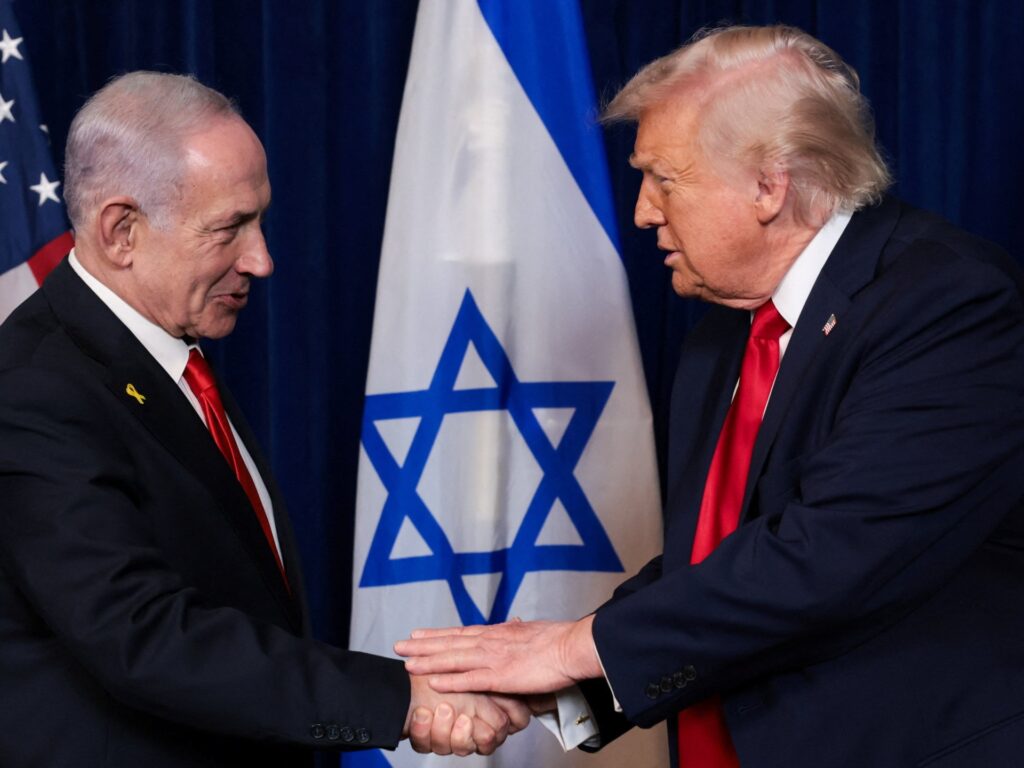
Recent rumors suggesting a feud between former U.S. President Donald Trump and Israeli Prime Minister Benjamin Netanyahu have stirred significant attention. According to various analysts, claims that Trump criticized Netanyahu mark a chapter in what appears to be a larger narrative shaped by “strategic leaks”. These leaks seem designed to influence public perception amid a diplomatic standstill between the United States and Israel, particularly regarding their united stance on Iran.
The backdrop to these speculations is the evolving complexity of the US-Israel relationship, driven largely by contrasting approaches to handling Iran’s geopolitical ambitions and nuclear program. Both allies have historically maintained close ties, but their strategies and priorities occasionally diverge, leading to diplomatic tensions.
Experts suggest that the leaked information about Trump’s critique is part of an orchestrated effort by involved parties to leverage media and public opinion to advocate their policy preferences. This tactic, they believe, seeks to emphasize divisions, real or perceived, to apply pressure on leadership decisions and international negotiations.
In the broader context, the US-Israel alliance continues to face challenges. The diplomatic impasse over Iran is a critical issue, with both nations advocating tough stances but differing in methods and timing. This divergence often fuels speculation and rumors, amplified by selective disclosures to the press.
The analysts caution the public and media outlets to approach such stories with scrutiny, emphasizing the complex interplay of diplomacy, media strategy, and political maneuvering behind the headlines. They highlight that authentic diplomatic progress requires nuanced understanding beyond sensationalist leaks.
Meanwhile, official statements from both the U.S. and Israeli administrations have downplayed the intensity of the reported criticisms, focusing instead on their commitment to the longstanding partnership. Nevertheless, these events underscore the fragile nature of international alliances in a rapidly shifting global landscape.
Going forward, observers will closely monitor how these strategic communications influence public perception and policy decisions. Whether these “feud” rumors reflect genuine policy disagreements or are primarily media constructs will significantly impact US-Israel relations and their united front on Iran.
Ultimately, the situation illustrates the intricate dance of diplomacy where information is both a weapon and a shield. The interplay of leaks, rumors, and strategic narratives will remain a defining feature in the nuanced theatre of international relations between the United States and Israel.