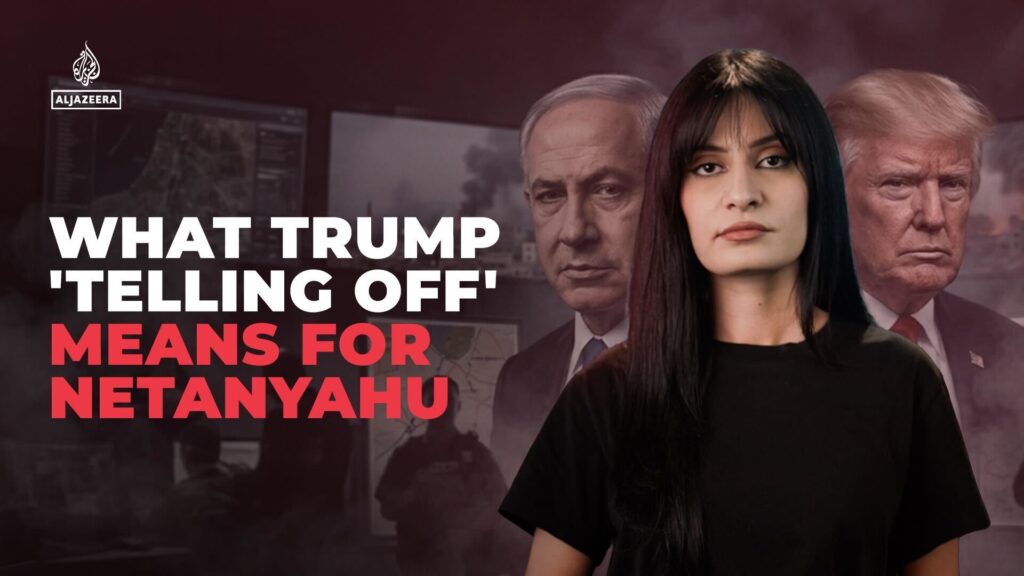
Recent reports indicate that US President Donald Trump harshly criticized Israeli Prime Minister Benjamin Netanyahu during a phone conversation. This unusual exchange between two leaders, typically seen as close allies, signals potential shifts in U.S.-Israel relations and highlights challenges in their diplomatic communications.
The phrase “telling off” implies a stern rebuke or reprimand, suggesting Trump expressed dissatisfaction or frustration with Netanyahu’s actions or decisions. While the exact subject of the confrontation has not been fully disclosed, analysts speculate it may relate to Israeli policy moves, negotiation strategies, or regional security concerns that conflicted with American interests or expectations.
This incident is significant because Trump and Netanyahu have historically maintained a strong, supportive relationship grounded in shared political views and strategic alliances. A breakdown or strain in this rapport could impact cooperative efforts between the two countries on issues ranging from defense to Middle East peace processes.
Observers note that Trump’s direct, often confrontational communication style can both clarify positions and escalate tensions. His willingness to publicly or privately criticize prominent leaders underscores a dynamic approach to foreign diplomacy that sometimes surprises traditional allies.
For Netanyahu, receiving a “telling off” from Trump might pressure him to adjust policies, temper rhetoric, or recalibrate diplomatic strategies. It could also reflect broader challenges Netanyahu faces within his government or in managing Israel’s international relationships.
This episode might also influence Israel’s internal politics by affecting public perception of Netanyahu’s leadership and his ability to maintain crucial international alliances. Additionally, U.S. policy decisions regarding settlements, security aid, or peace initiatives might be influenced by the tone and substance of this interaction.
In conclusion, while the full consequences of Trump’s reported reprimand are yet to be determined, the incident reveals complexities in U.S.-Israel relations and signals potential shifts in diplomatic dynamics. Both leaders face the challenge of managing their alliance amid regional tensions and evolving geopolitical realities.