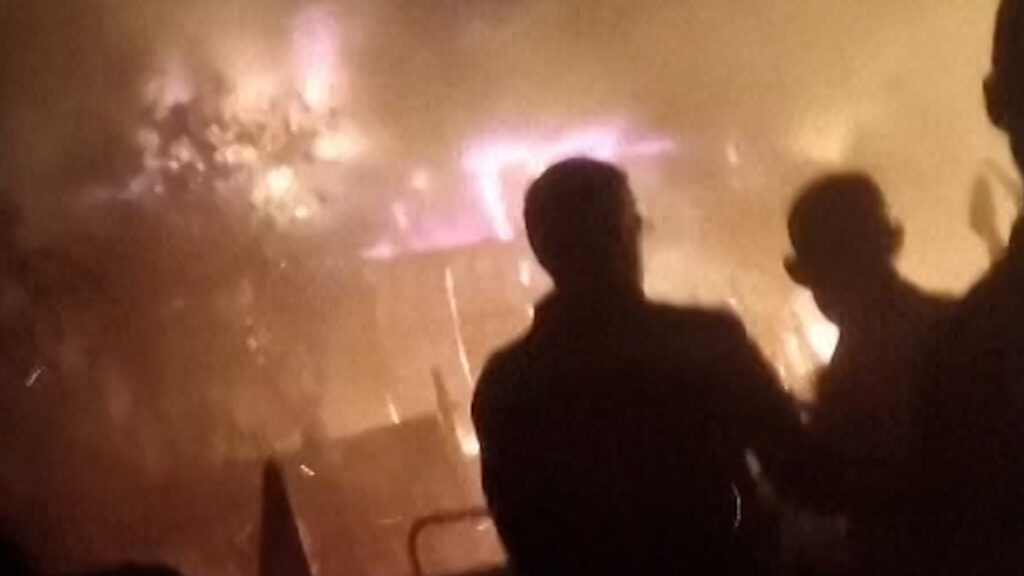
In a disturbing escalation of violence, Israeli settlers have once again targeted the Palestinian village of Khirbet Abu Falah near Ramallah, torched several homes in the area. This event is part of a series of violent settler attacks that have plagued the village, with over 30 incidents reported since late March, raising serious concerns about the safety and stability of the local Palestinian community.
Khirbet Abu Falah, located close to Ramallah, has been a frequent site of settler violence. Residents of the village have faced constant harassment, vandalism, and assaults from settlers, exacerbating an already volatile situation in the region. The recent torching of homes marks one of the most severe incidents in the ongoing string of attacks.
The motivations behind these attacks appear to be connected to attempts by settlers to expand their presence in the area, undermining Palestinian claims to the land. These violent acts have left many residents displaced and fearful for their future.
Local human rights organizations have condemned the attacks, calling for immediate intervention by Israeli authorities to protect the Palestinian inhabitants. They emphasize that these settler aggressions not only violate basic human rights but also contribute to escalating tensions and undermine the prospects for peace.
Israeli officials have faced criticism for their perceived inaction or inadequate response to settler violence. Observers note that insufficient law enforcement and judicial measures have emboldened settlers to continue their attacks with little fear of consequences.
The international community has also expressed concern over the growing settler violence in the West Bank, urging all parties to respect human rights and to work toward a peaceful resolution to the conflict.
As the residents of Khirbet Abu Falah deal with the aftermath of the latest attacks, the cycle of violence appears far from over. The situation underscores the complex and deeply rooted issues surrounding land, identity, and security in the region, demanding urgent attention and comprehensive efforts from all stakeholders involved.