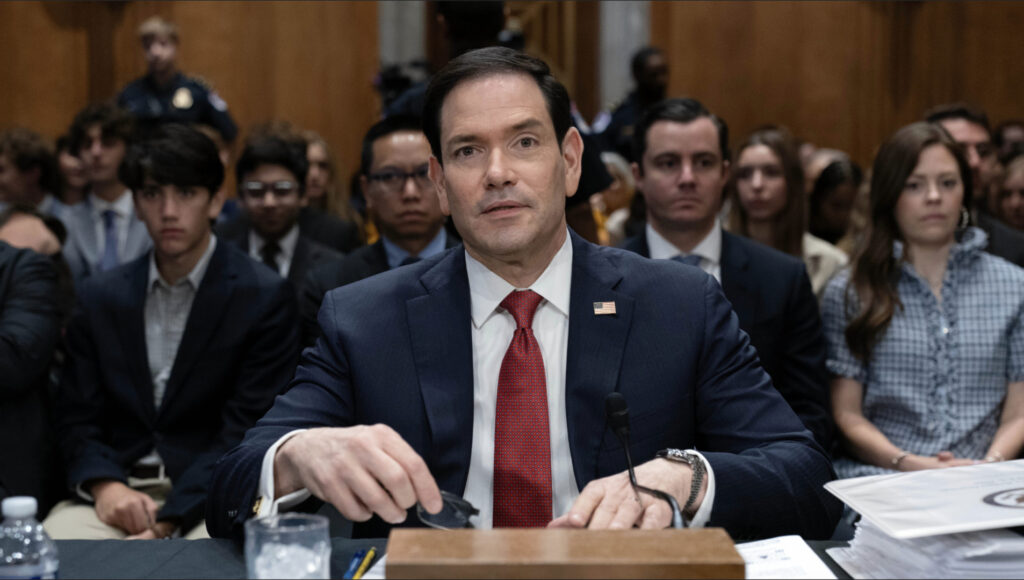
In a recent statement, US Secretary of State Marco Rubio confirmed that Iran’s new Supreme Leader, Mojtaba Khamenei, is alive and actively engaging in diplomatic discussions. This marks a significant update amid ongoing global attention on Iran’s political landscape.
Mojtaba Khamenei succeeded as Iran’s Supreme Leader following the tenure of his predecessor, and his role as the highest authority in Iran holds considerable influence over the nation’s domestic and foreign policies. The confirmation of his active participation in negotiations signals potential shifts in Iran’s approach to international relations.
Secretary Rubio’s remarks come at a crucial time when diplomatic efforts and talks involving Iran have been under scrutiny due to tensions concerning nuclear development and regional security issues. Rubio noted that Khamenei’s increasing engagement could lead to more direct and perhaps productive dialogues with international stakeholders.
This engagement might affect ongoing negotiations related to nuclear agreements, sanctions, and conflict resolution in the Middle East. Previous years have seen fluctuating relations between Iran and the West, with various sanctions and diplomatic efforts aimed at curbing nuclear proliferation and addressing human rights concerns.
Observers suggest that Mojtaba Khamenei’s active involvement could indicate a strategic shift towards more openness in communication channels or, alternatively, a move to consolidate power internally while managing external relations pragmatically.
Despite limited details on the nature and extent of the negotiations, the US government appears cautiously optimistic about the developments. Diplomatic officials emphasize the importance of monitoring Khamenei’s moves to understand better Iran’s evolving political strategies.
The confirmation of Khamenei’s vitality dispels earlier uncertainties and rumors about his status, which had been a subject of speculation among international analysts. It also reaffirms the continuity of Iran’s leadership during a period of significant geopolitical challenges.
This news brings renewed focus on Iran’s potential role in regional stability and international diplomacy. Future interactions between Iran and other world powers will be closely watched to assess how this engagement translates into tangible policy outcomes.
In summary, the US acknowledgment of Supreme Leader Mojtaba Khamenei’s presence and increasing diplomatic activity is a noteworthy development, suggesting possible openings for dialogue and negotiation in the complex future of Middle Eastern geopolitics.