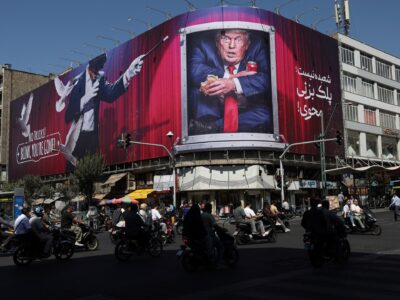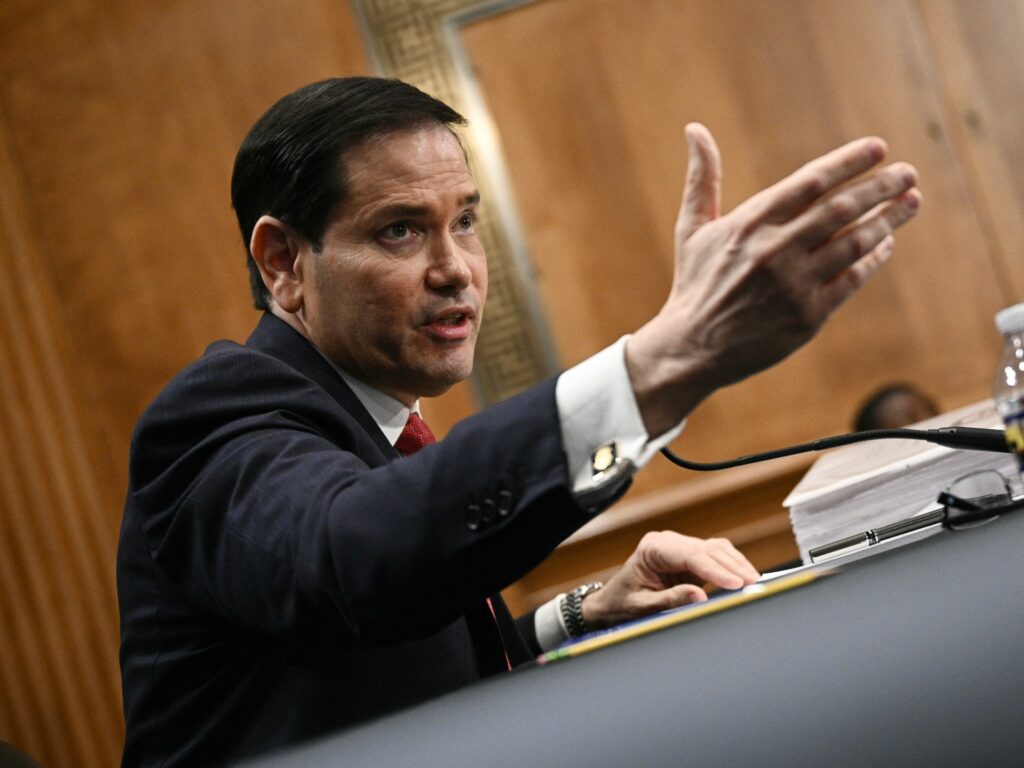
Recent developments indicate a heightened involvement of Iran’s Supreme Leader in ongoing nuclear negotiations, reflecting a strategic shift in Tehran’s approach to diplomatic engagement. According to US Senator Marco Rubio, there is a noticeable increase in activity and direct oversight from Iran’s highest authority as discussions continue. This enhanced involvement suggests Tehran’s leadership is keen on steering the talks with greater attention and possibly renewed urgency.
In parallel, US Secretary of State has revealed that Iran has agreed to engage in discussions covering previously off-limits aspects of its nuclear program. This concession marks a significant departure from prior negotiation stances, where Iran maintained strict boundaries around certain elements of its nuclear activities. The willingness to analyze and discuss these sensitive components indicates potential progress in the dialogue aimed at curbing nuclear proliferation risks.
These developments come amid a complex international backdrop, where tensions over Iran’s nuclear ambitions have prompted global concerns. The increased role of Iran’s Supreme Leader in the talks may signal an attempt by Tehran to exert more control over the process and possibly expedite reaching an agreement.
US lawmakers have been briefed on these changes and view the new openness by Tehran as a positive sign, though they remain cautious about the ultimate outcomes. The administration’s diplomatic strategy appears to be a blend of pressure and negotiation, aiming to verify nuclear activities thoroughly while seeking a peaceful resolution.
The discussions are expected to delve into intricate details of Iran’s nuclear file, which includes uranium enrichment levels, centrifuge activities, and advanced nuclear research. Bringing these issues within the negotiating framework reflects a broader international push to ensure transparency and compliance with non-proliferation norms.
Moreover, the US statement underscores the critical nature of these talks, emphasizing that a comprehensive resolution would not only enhance regional stability but also reinforce global non-proliferation architecture.
Observers note that Iran’s agreement to expand the scope of talks may also be influenced by economic and geopolitical pressures, including sanctions and diplomatic isolation. Engaging on previously taboo subjects could be a calculated move to gain concessions or relief in other areas.
As negotiations proceed, the international community watches closely, hopeful that these renewed dialogues will lead to a sustainable agreement that balances Iran’s sovereign interests with global security concerns. The evolving role of Iran’s Supreme Leader and the opening of new negotiation channels mark a critical phase in the ongoing efforts to address one of the most challenging nuclear issues of our time.