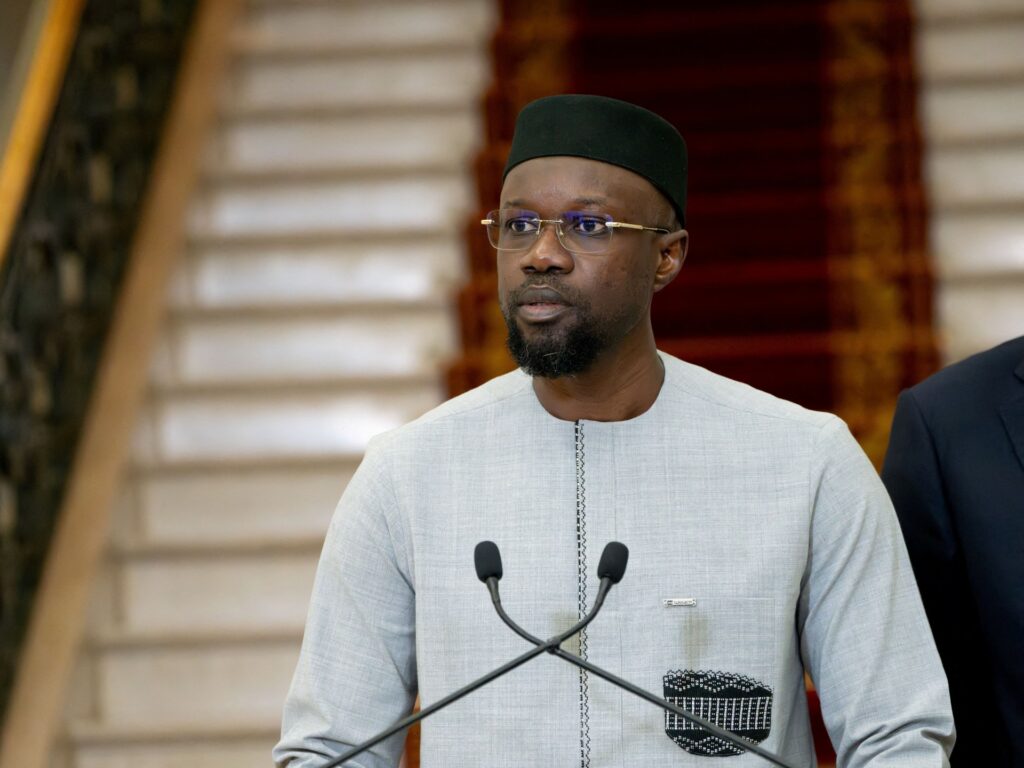
In a move signaling political tension within Senegal, the President has announced the formation of a new government. This announcement comes amid significant political friction as an important ally-turned-rival, including the ousted Prime Minister and his party, have boycotted the new government. The ousted Prime Minister’s party, which continues to hold the parliamentary majority, declared it will not participate in the newly constituted government. This development indicates a deepening divide in Senegal’s political landscape.
The political rift began when the President replaced the Prime Minister, leading to a fallout between the formerly allied factions. The ousted PM, who once held significant influence in the government, now finds his party opposing the current administration. Despite their parliamentary majority, the party’s refusal to engage with the new government risks legislative gridlock and political instability.
Observers note that the boycott underscores broader struggles within Senegal’s political system, reflecting challenges in governance and coalition-building. The government’s intentions with this move appear to be focused on consolidating power and pushing forward its agenda without the support of the opposing party.
The President’s decision to name the government without the involvement of the majority party raises questions about future legislative cooperation and the potential for increased political confrontation. Analysts warn that the government’s ability to implement policies effectively may be compromised if the parliamentary majority remains in opposition.
Senegal is now at a critical juncture where political reconciliation and dialogue are needed to foster stability and ensure effective governance. Both sides face pressure to find common ground to address the nation’s pressing issues, including economic development, social welfare, and maintaining democratic processes.
The boycott by the ousted Prime Minister’s party serves as a reminder of the complex and often contentious nature of politics in Senegal. As the government moves forward, the international community and local stakeholders will be watching closely to see how this political impasse unfolds and what it means for the country’s democratic trajectory and stability.