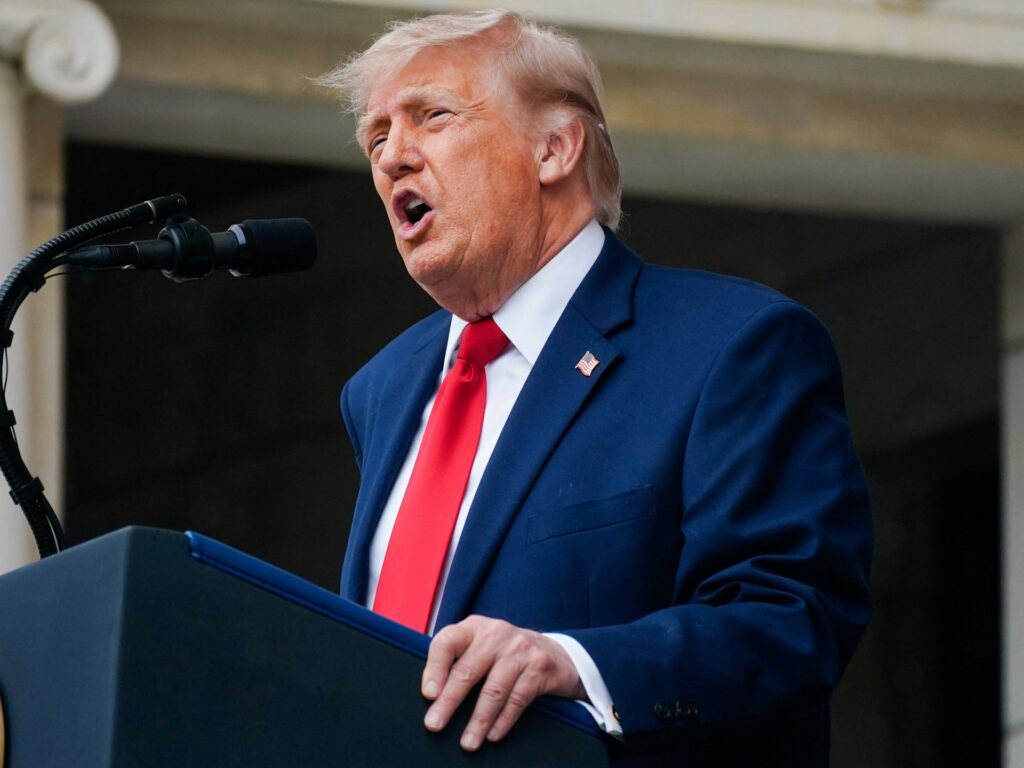
On the 95th day of the ongoing Iran war, significant diplomatic efforts have emerged with former U.S. President Donald Trump playing a pivotal role in pushing for a truce in Lebanon. This development comes as Tehran vows to end ongoing talks, signaling a hardening of its stance in the prolonged conflict.
Trump reportedly intervened to persuade both Israel and Hezbollah to halt their recent attacks. His efforts aim to prevent the conflict from escalating into a wider war that could engulf Lebanon and possibly destabilize the broader Middle East region. The truce proposal highlights the delicate balance and fragile ceasefires that often characterize the region’s complex geopolitical landscape.
The situation in Lebanon has been tense, given Hezbollah’s involvement and the country’s strategic position in Middle Eastern affairs. With Tehran stepping back from diplomatic talks, concerns mount about the potential for renewed hostilities and the impact on regional stability.
International observers and diplomats are closely monitoring the situation, recognizing that any flare-up could have far-reaching consequences beyond Lebanon’s borders. The call for truce reflects a broader desire to avoid another full-scale conflict amid already heightened regional tensions.
As the war in Iran continues into its fourth month, this latest move underscores the interconnected nature of Middle Eastern conflicts and the urgent need for diplomatic solutions to prevent further escalation. The international community remains hopeful that Trump’s mediation efforts will foster dialogue and lead to a peaceful resolution in Lebanon, echoing the wider aim of ending hostilities in the region.