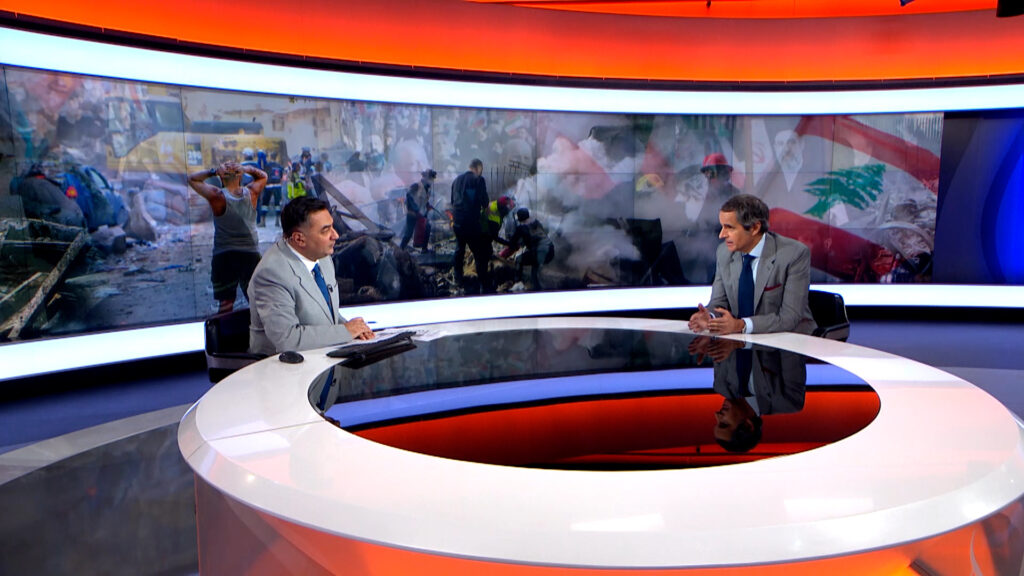
In recent remarks, Rafael Grossi, the Director General of the International Atomic Energy Agency (IAEA), conveyed a significant shift in the approach towards nuclear agreements with Iran. Grossi stated that the 2015 Iran nuclear deal—formally known as the Joint Comprehensive Plan of Action (JCPOA)—is no longer a workable model for future negotiations.
The 2015 deal aimed to limit Iran’s nuclear program in exchange for lifting economic sanctions, and it was initially hailed as a landmark achievement in global nuclear diplomacy. However, political developments, compliance issues, and changing geopolitical landscapes have rendered the original framework less effective.
Grossi highlighted the complexities and challenges faced by the IAEA in monitoring and verifying Iran’s nuclear activities under the current arrangement. The Director General noted that these difficulties necessitate a reimagined agreement that reflects the contemporary realities and concerns.
Key differences anticipated in the new deal may include stricter monitoring mechanisms, more robust verification protocols, and provisions addressing Iran’s advanced nuclear technologies. There is also an expectation that the updated deal will incorporate broader considerations beyond nuclear activity, possibly including Iran’s regional behavior and ballistic missile program.
Grossi’s statements suggest a diplomatic reset that tries to balance enforcement with engagement, aiming for a sustainable agreement that prevents nuclear proliferation while encouraging peaceful cooperation.
The next phase of negotiations will likely require patience, resilience, and creative diplomacy, considering Iran’s evolving nuclear capabilities and the international community’s changing priorities.
Observers anticipate involvement from multiple global stakeholders, with the IAEA playing a critical role in ensuring transparency and accountability.
Overall, Rafael Grossi’s commentary underscores a pivotal moment in international nuclear diplomacy, signaling that the path forward will be markedly different from past frameworks, striving for a more comprehensive and enforceable agreement to address Iran’s nuclear program.