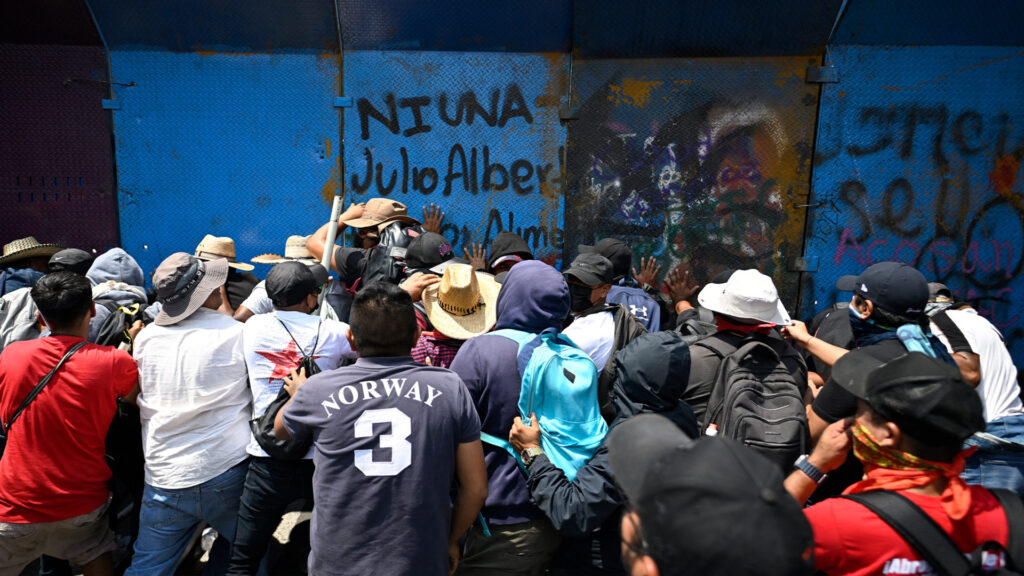
In a significant display of unrest, Mexican teachers took to the streets in a series of protests demanding better pay and improved pension benefits. These demonstrations occurred just weeks before Mexico is set to co-host the highly anticipated 2026 FIFA World Cup, a globally celebrated event that promises to bring millions of visitors and worldwide attention to the country.
The teachers, representing various unions, marched through key urban centers, voicing their discontent with the current salary structure and the inadequacy of their pensions. Their demands include not only increased wages reflective of the rising cost of living but also a restructuring of pension schemes to secure their financial futures.
Clashes between protesters and police escalated as tensions boiled over during the demonstrations. Law enforcement agencies were deployed to manage the crowds, which occasionally resulted in confrontations and the use of force to disperse protestors. Authorities have emphasized the need to maintain order, especially given the impending international event, but protesters remain resolute, vowing not to relent until their demands are met.
This wave of protests highlights broader social and economic challenges facing Mexico, where public sector workers have long felt marginalized amid ongoing fiscal reforms and austerity measures. The teachers’ strike and marches underscore the friction between government policy and the expectations of critical public service sectors.
Opposition leaders and social activists have expressed solidarity with the teachers, criticizing the government for prioritizing international events like the World Cup over the welfare of its citizens. They argue that hosting the World Cup should not come at the expense of addressing fundamental social issues such as fair labor rights and adequate compensation.
Meanwhile, preparations for the 2026 FIFA World Cup continue with efforts to ensure infrastructure readiness and security for what is expected to be one of the largest sporting events in history. However, the ongoing protests serve as a stark reminder of the internal challenges Mexico faces even as it steps onto the global stage.
With the World Cup drawing ever closer, the government faces the delicate task of balancing international expectations with domestic demands. The ability to resolve these conflicts amicably will be critical in maintaining social stability and projecting a positive image to the millions of international visitors expected next year.
As the situation develops, Mexican citizens and the global community alike watch closely, hopeful for a peaceful resolution that respects the rights of the protesters while safeguarding the successful hosting of the World Cup. The coming months will be pivotal in determining the socio-economic trajectory of Mexico and its readiness to welcome the world to a historic sporting celebration.