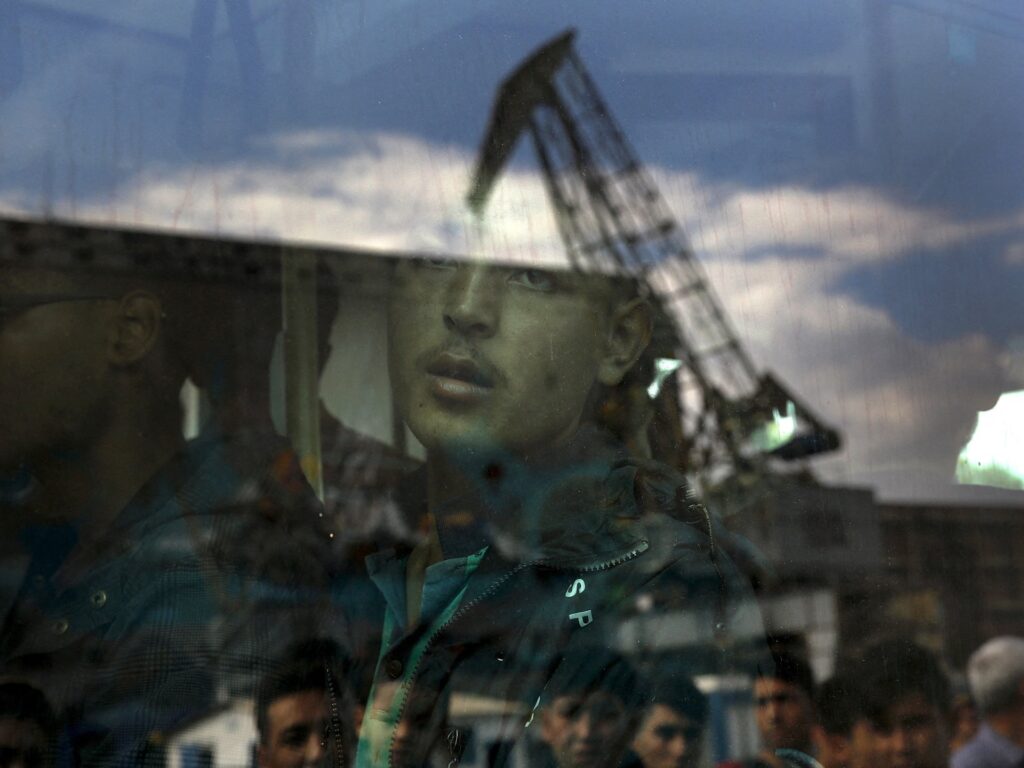
Greece has recently decided to reopen asylum cases for Syrian and Afghan nationals, a move that signals a shift in policy amidst ongoing challenges in handling migration and asylum seekers at its borders. The decision comes after months of debate and international scrutiny regarding Greece’s approach to migration, particularly concerning the treatment of refugees from conflict zones.
The Greek government, led by the migration ministry, emphasized that the reopening of these cases aims to streamline the asylum process, ensuring that applications are reviewed under updated protocols and that individuals who may be eligible for protection receive fair consideration. This effort is part of a broader strategy to manage migration flows more effectively while addressing European Union requirements.
However, the policy shift has stirred considerable controversy, fueled by statements from Greece’s migration minister expressing a lack of alignment on values with what he termed ‘hardcore Islam.’ This rhetoric has sparked criticism from human rights groups and advocates who argue that such views could undermine the impartiality and humanity expected in asylum procedures.
Despite the minister’s comments, Athens maintains that the reopening of Syrian and Afghan asylum cases is driven by legal frameworks and humanitarian concerns rather than cultural or religious discrimination. The government is hopeful that this approach will facilitate the voluntary return of individuals who do not meet asylum criteria, particularly those from unstable regions like Syria and Afghanistan.
The backdrop to these developments includes ongoing conflicts and instability in Syria and Afghanistan, which have produced waves of refugees seeking safety in Europe. Greece, as a frontline state in the EU’s external border, has been under pressure to balance border security with human rights obligations.
International observers note that the reopening of asylum cases can improve the accuracy of assessments and reduce wrongful rejections. Nonetheless, the tension between upholding European values and addressing security concerns remains evident in the Greek context.
Greece’s stance also reflects wider debates across Europe about integration, cultural identity, and the handling of migration. The minister’s remarks regarding ‘hardcore Islam’ highlight the sensitive nature of these discussions, raising questions about how governments can reconcile security policies with respect for diversity and inclusion.
Looking ahead, Greece’s approach to Syrian and Afghan asylum seekers will likely influence broader EU migration policies and cooperation frameworks. The balance Greece seeks to strike between facilitating returns and providing protection underscores the complex and often contentious nature of migration management in a turbulent geopolitical landscape.
As Greece continues to navigate these challenges, the international community and human rights organizations will be watching closely to ensure that the rights and dignity of asylum seekers are preserved, even amid efforts to maintain national security and societal cohesion.