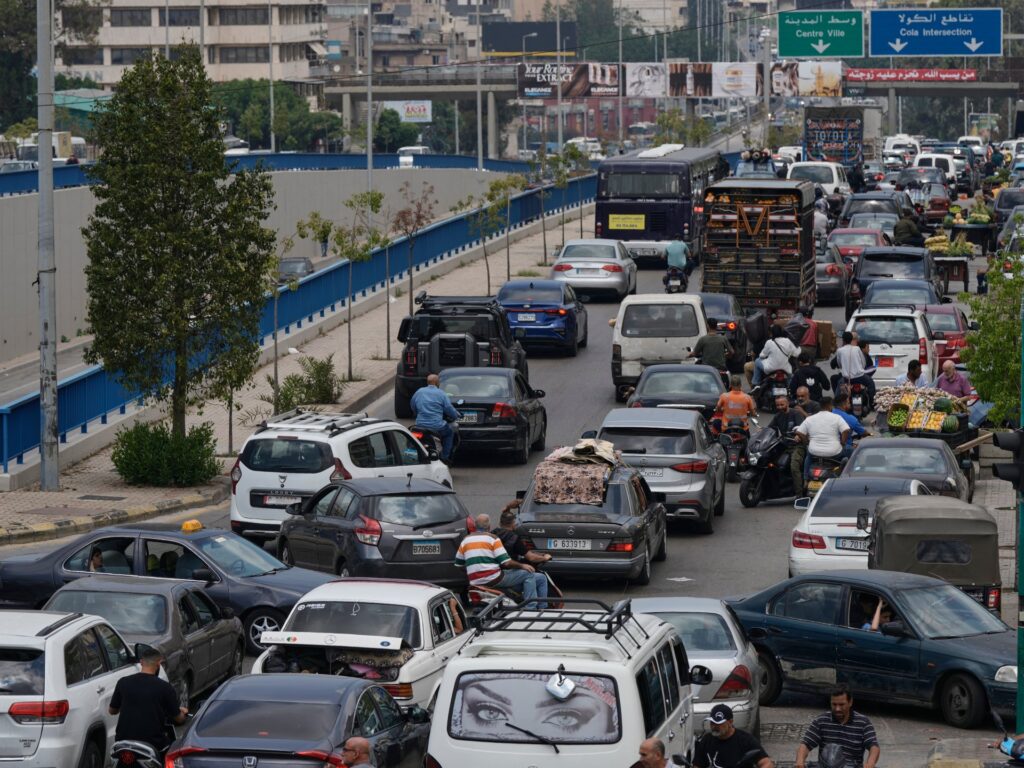
In a recent escalation of tensions in the region, the Israeli government has announced plans to target the southern suburbs of Beirut, Lebanon’s capital. Following this announcement, many residents in the affected areas have started to flee, seeking safety away from potential conflict zones. The Israeli government has reportedly given explicit orders to its military forces to carry out attacks on the southern suburbs, a move that has heightened fears of further conflict and instability in the region. South Beirut, known for being a densely populated area with diverse communities, now faces the immediate threat of military strikes, prompting urgent humanitarian concerns. The situation has triggered chaos among the local population, with families hurriedly leaving their homes to avoid the impending violence. Regional observers and international communities have expressed deep concern over the developments, urging for restraint and dialogue to prevent an escalation into broader conflict. The movement of civilians out of the targeted zones underscores the gravity of the conflict, highlighting the human cost and the urgency for peaceful resolutions. As the situation unfolds, monitoring agencies are closely watching the developments to assess the impact on regional security and civilian safety. The Lebanese government faces significant challenges in responding to both the immediate threats and the broader implications for national stability. Humanitarian organizations are likely to increase their efforts to assist displaced populations and provide relief in the wake of potential military actions. This incident marks a significant point in the ongoing tension between Israel and Lebanon, reiterating the complex and fragile nature of peace in the Middle East. The unfolding situation demands immediate attention from global powers to support de-escalation and protect vulnerable populations caught in the conflict. The next few days will be critical in determining the path forward, as both diplomatic and military decisions will shape the future security landscape of Beirut and the wider region.