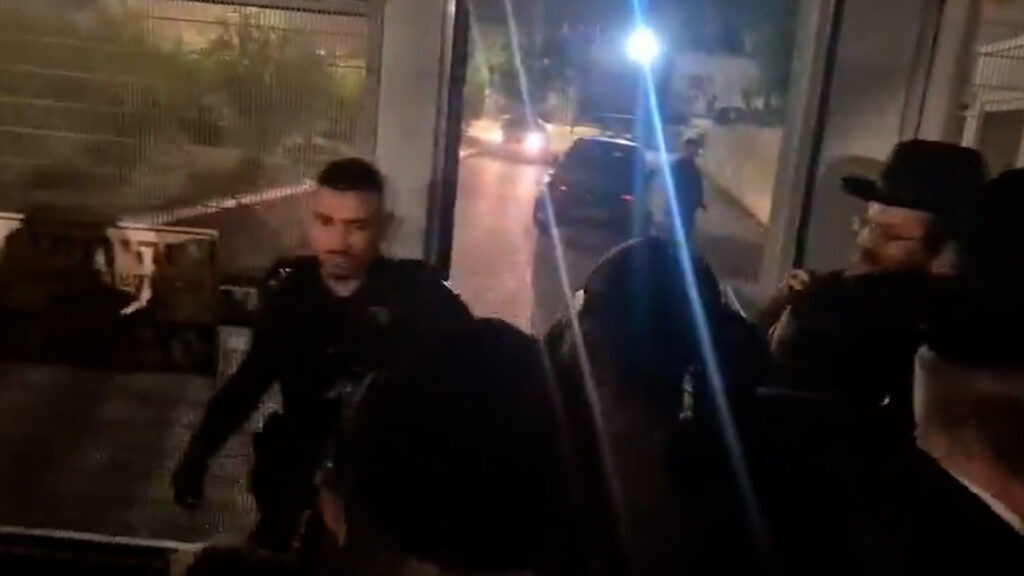
In a significant and tense incident, Ultra-Orthodox Jewish demonstrators stormed an Israeli police station, escalating ongoing tensions between these communities and law enforcement authorities. The demonstrators, motivated by a range of social, religious, and political grievances, forced their way into the station, leading to confrontations with police officers and heightened security measures.
The event occurred amid a backdrop of increasing friction surrounding issues such as military conscription, public conduct, and community autonomy that often place Ultra-Orthodox Jewish groups at odds with state authorities. The storming of the police station exemplifies the level of unrest and dissatisfaction within sections of the Ultra-Orthodox community.
Police officials responded by reinforcing the station and attempting to negotiate with the demonstrators to de-escalate the situation. Reports indicate several injuries and arrests, though exact numbers remain unclear as investigations continue.
This incident underscores the complexities inherent in balancing the religious freedoms of Israel’s diverse populations with the enforcement of state laws and security protocols. It also highlights the ongoing challenges faced by Israeli society in integrating and managing relations with various factions, especially when deeply held beliefs and state policies clash.
Community leaders and government officials have called for calm and dialogue to address the root causes of the unrest. They emphasize the importance of mutual respect and understanding to prevent future incidents that threaten public safety and social cohesion.
The storming has also drawn international attention, with various organizations expressing concern over the use of force and the need to uphold civil rights. The Israeli government is expected to review security policies and community relations strategies in response to this event.
As investigations continue, the incident serves as a critical reminder of the fragile balance in a society deeply marked by cultural and religious diversity, and the ongoing need for effective communication and conflict resolution mechanisms.