Colombia prepares for a pivotal presidential election as citizens head to the polls to select the successor of current President Gustavo Petro. This election marks a significant moment in Colombian politics, characterized by a competitive and diverse field of candidates representing distinct ideological backgrounds.
The presidential contest has largely crystallized into a three-horse race. At the forefront is a left-wing senator, whose platform builds on progressive policies and appeals to voters seeking social reform and economic equity. This candidate aims to continue aspects of Petro’s agenda while introducing new measures tailored to address ongoing challenges within the country.
Opposing the left-wing contender is a prominent businessman whose campaign emphasizes economic growth, entrepreneurship, and pragmatic solutions to Colombia’s long-standing issues such as poverty and unemployment. Leveraging a background in the private sector, this candidate promises to foster a business-friendly environment that encourages investment and innovation.
The third major candidate is a right-wing lawmaker, who rallies support primarily from conservative voters. This contender’s campaign focuses on security, traditional values, and a strong stance on law and order. Advocates of this candidate often highlight the need for robust policies to combat crime and maintain social stability.
The election is taking place amid a complex social and economic backdrop, with Colombia facing challenges including inequality, social unrest, and the aftermath of various internal conflicts. Voters are deeply engaged, aware that their choice will influence the nation’s trajectory in areas such as economic policy, social justice, and international relations.
Political analysts note that the outcome of the election could signal a shift in Colombia’s direction, depending on which candidate garners a majority. Each candidate represents a different vision for the country’s future, making this election a critical juncture.
The campaign period has seen intense debates, rallies, and significant public interest. Media coverage has highlighted contrasting policy proposals and personal narratives of the candidates, offering voters detailed insights as they prepare to cast their ballots.
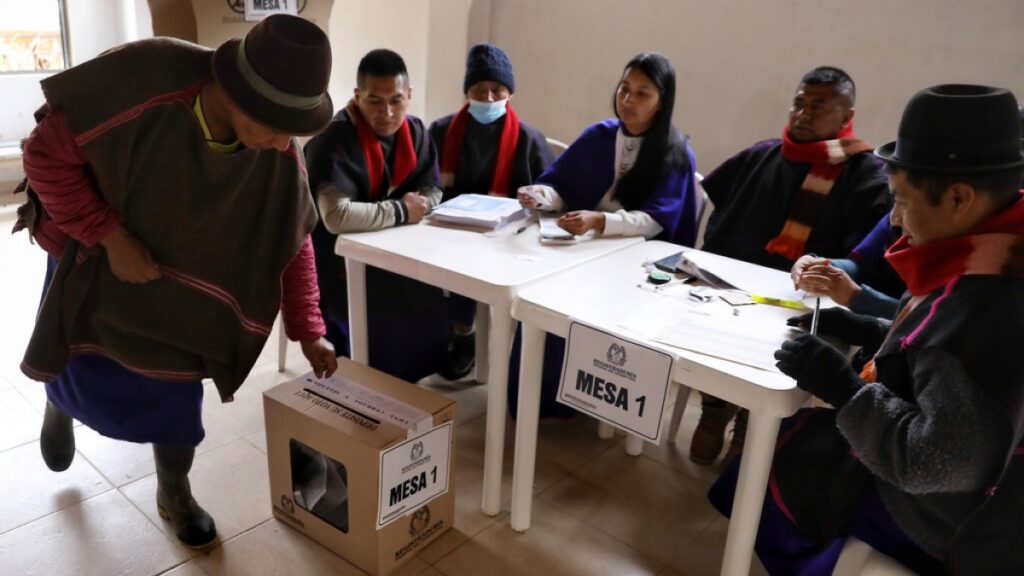
As ballot boxes open, citizens across Colombia are participating in what many consider a defining democratic exercise. The election not only decides the nation’s next leader but also reflects broader societal aspirations and tensions.
In the coming days, the world will watch closely as results unfold, anticipating the beginning of a new chapter for Colombia under its next president. Regardless of the outcome, this election underscores the vibrancy and resilience of Colombian democracy in navigating a complex and evolving political landscape.