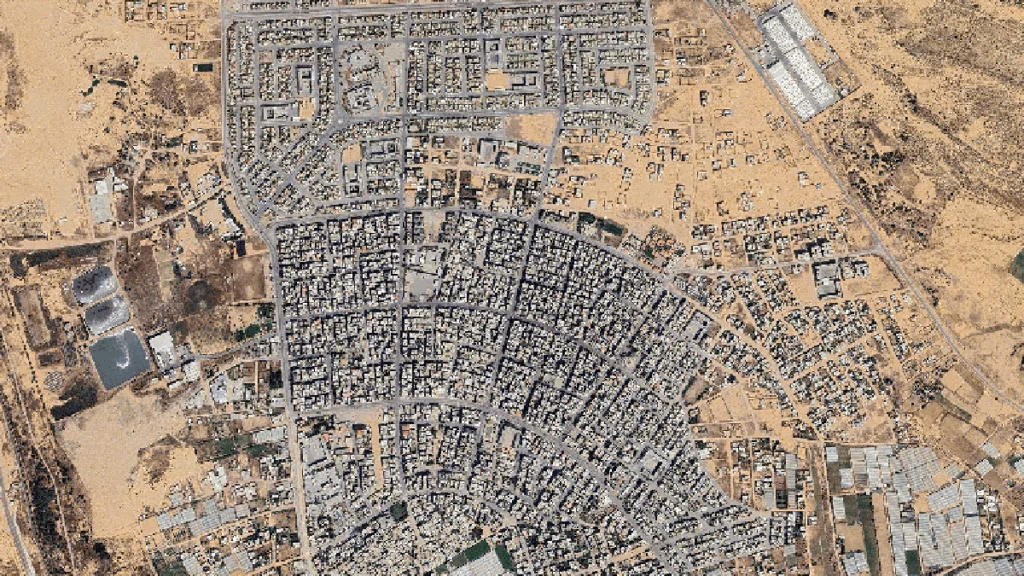
Recent satellite images have brought to light the dramatic transformation of southern Gaza as Israel intensifies its military operations in the region. Under orders from Prime Minister Benjamin Netanyahu, Israeli forces have expanded their control over approximately 70 percent of Gaza, signaling a significant escalation in the ongoing conflict.
The satellite imagery reveals widespread destruction and erasure of previously inhabited areas in southern Gaza. Buildings, infrastructure, and residential zones appear to have been heavily damaged or completely wiped out. This visual evidence corresponds with reports of intense military activity aimed at securing strategic locations and dismantling militant infrastructure.
The decision to occupy such a vast portion of Gaza reflects a shift in Israel’s military strategy. Netanyahu’s directive marks a move from targeted operations to a broader territorial control, aimed at curbing militant capabilities and asserting dominance in the area.
Local residents have reported displacement and loss of access to essential services as a result of the intensified military presence. Humanitarian organizations express concern over the increasing number of civilians affected by the hostilities, highlighting urgent needs for aid and protection.
International reactions to the developments have been mixed. Some nations emphasize Israel’s right to defend itself against militant threats, while others call for restraint and caution, urging a return to dialogue and peaceful resolution.
The situation remains volatile, with ongoing clashes and uncertainty over the future status of Gaza. The erasure visible in satellite images underscores the severe humanitarian impact and the complex challenges involved in achieving stability in the region.
As the conflict evolves, monitoring through satellite technology continues to provide crucial insights into the scale and nature of the military actions on the ground. Observers emphasize the importance of accountability and adherence to international humanitarian laws to mitigate further suffering.
The transformation of southern Gaza serves as a stark reminder of the conflict’s toll and the urgent need for comprehensive efforts toward lasting peace and security in the region.