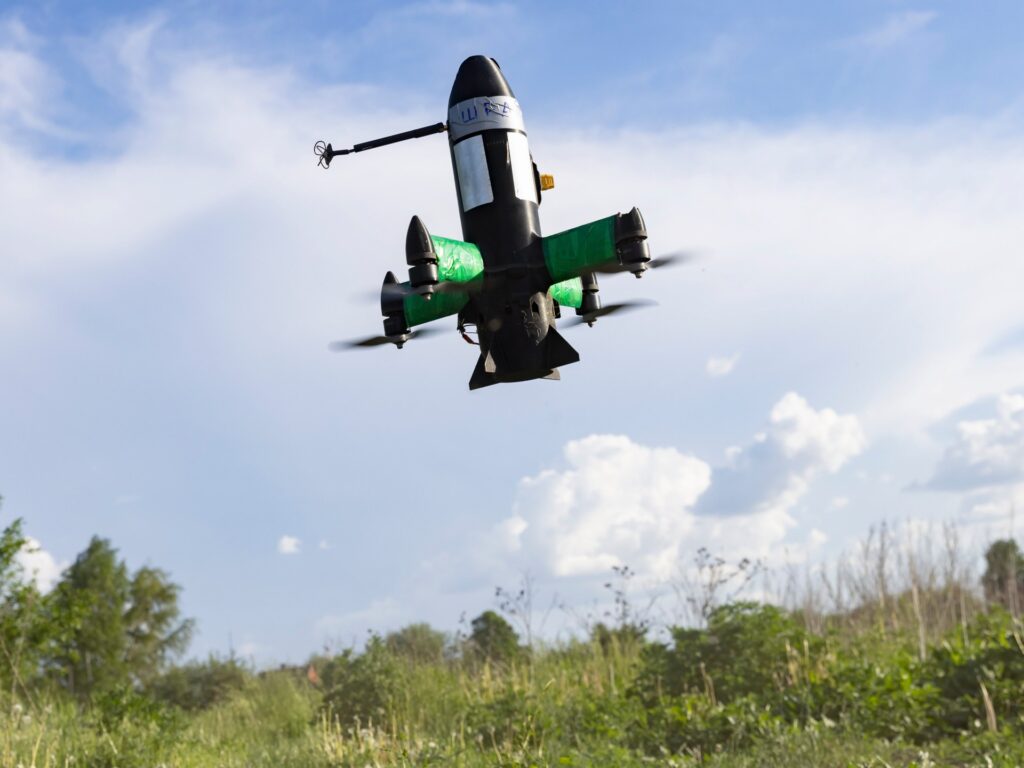
Tensions between Ukraine and Russia have escalated with renewed drone attacks, highlighting the ongoing conflict between the two nations. Recently, Ukrainian forces targeted a Russian oil facility with drones, marking a significant strike against critical infrastructure. This attack reflects the intensification of warfare tactics as both countries engage in drone exchanges.
The recent strikes have had a substantial impact in Ukraine as well, particularly in the Zaporizhzhia region where about 13,000 residents have been left without power. This outage has created considerable hardships, disrupting everyday lives and raising concerns about civilian safety amid the continued conflict.
Zaporizhzhia is a region that has often found itself on the front lines between the two countries, making this loss of power a critical issue. The drone attacks have not only targeted military or strategic sites but have increasingly affected civilian infrastructure, amplifying the humanitarian crisis.
Drone warfare has become a prominent aspect of the Ukraine-Russia conflict, allowing both sides to conduct strikes without direct troop involvement. These drones are used for reconnaissance as well as offensive operations, indicating a shift in how modern warfare is conducted in this region.
The strike on the Russian oil facility is particularly noteworthy because it targets an asset vital to Russia’s energy production and economic interests. Disruptions here could impact Russia’s ability to sustain prolonged military operations and affect global energy markets.
Analysts note that the continued exchange of strikes signifies a protracted conflict with no immediate resolution in sight. Both Kyiv and Moscow are demonstrating their capacities to inflict damage beyond their immediate frontlines, increasing concerns over broader regional instability.
International reactions to the drone attacks have been mixed, with calls for restraint coming from global powers. Some countries urge diplomatic negotiations to avoid further escalation, while others offer support to either side, reflecting complex geopolitical alliances.
The humanitarian impact of these attacks cannot be understated. The loss of power to thousands of civilians in Zaporizhzhia underscores the toll the conflict takes beyond military losses. Access to electricity is crucial for healthcare, communication, and basic daily activities, making recovery efforts urgent.
Both Ukraine and Russia continue to develop their drone capabilities, signaling a long-term shift in military strategy. The use of drones provides a tactical advantage, allowing for precise, remote strikes that can undermine enemy infrastructure without risking large numbers of personnel.
Experts warn that as drone technology advances, the scale and intensity of such attacks could increase, potentially widening the scope of the conflict. This development calls for enhanced international monitoring and regulation to manage the risks associated with drone warfare.
In summary, the recent drone strike on a Russian oil facility by Ukrainian forces and the reciprocal strikes causing significant power outages in Zaporizhzhia highlight the escalating nature of the Ukraine-Russia conflict. The use of drones represents a modern battlefield evolution, with heightened risks to both military targets and civilian infrastructure.
As the conflict continues, the international community remains watchful, hoping for measures that can de-escalate tensions and promote a peaceful resolution. However, the current trajectory suggests that drone strikes will remain a central feature of engagements between Kyiv and Moscow, underscoring the complex and dangerous nature of this ongoing war.