In the ongoing conflict in Ukraine, recent assessments have revealed a dramatic increase in Russian military casualties, with rates nearly tripling over the past year. This surge in losses underscores mounting difficulties faced by Russian forces as the conflict approaches its third year.
Despite significant military efforts and resources deployed, Russia’s ground operations have reached a territorial standstill in 2026. This stagnation is evident across multiple fronts, where aggressive offensives have failed to yield meaningful territorial gains.
Military analysts point to a combination of strong Ukrainian resistance, improved defensive strategies, and effective use of international military aid as key factors disrupting Russian advances. The Ukrainian armed forces have utilized advanced weaponry and innovative tactics, creating a challenging environment for Russian troops.
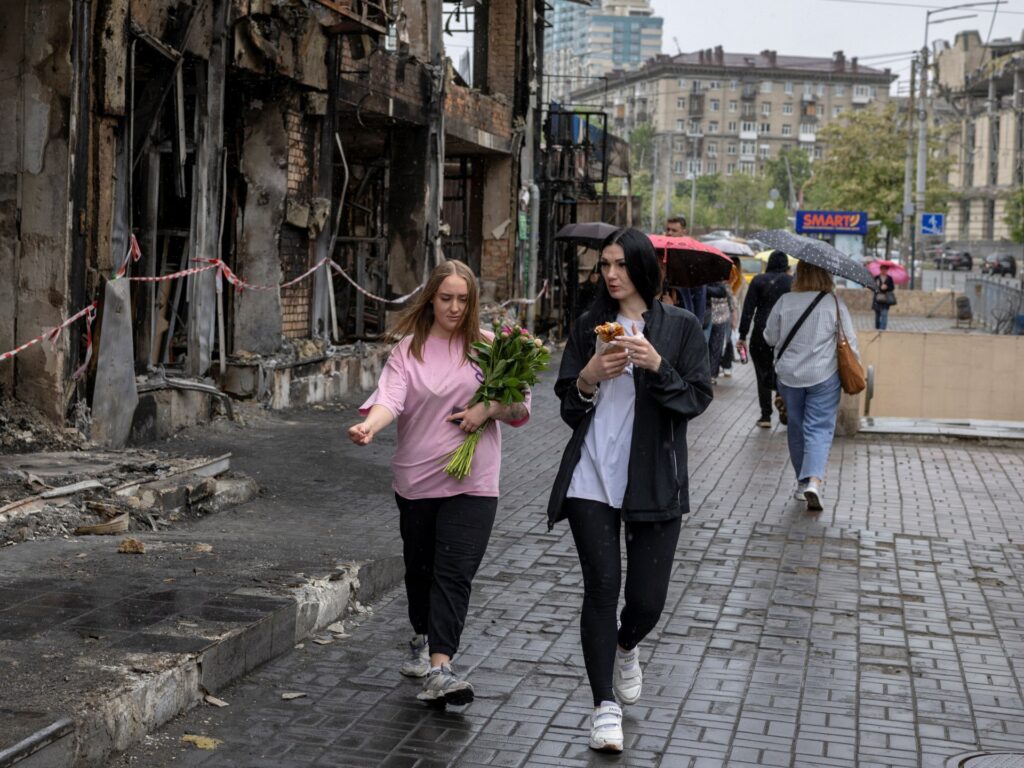
The increased casualty rates include both personnel and equipment losses, reflecting intense and sustained combat conditions. This human cost has raised concerns about the morale and logistical sustainability of Russian military operations amidst mounting domestic and international pressure.
In contrast, Ukraine’s forces appear to capitalize on their defensive success, rallying both national and global support while fortifying key positions. Analysts emphasize that the current deadlock highlights the complexities and high stakes of the conflict, which continues to impact regional security profoundly.
International observers express worry about the protracted nature of the war and its escalating humanitarian ramifications. Calls for renewed diplomatic efforts intensify as the possibility of a decisive military victory by either side diminishes in the face of entrenched positions.
Overall, the data signal a pivotal phase in the Ukraine conflict, marked by heightened Russian losses and a hardening stalemate. The situation remains fluid, with potential consequences for future geopolitical dynamics and peace negotiations in the region.