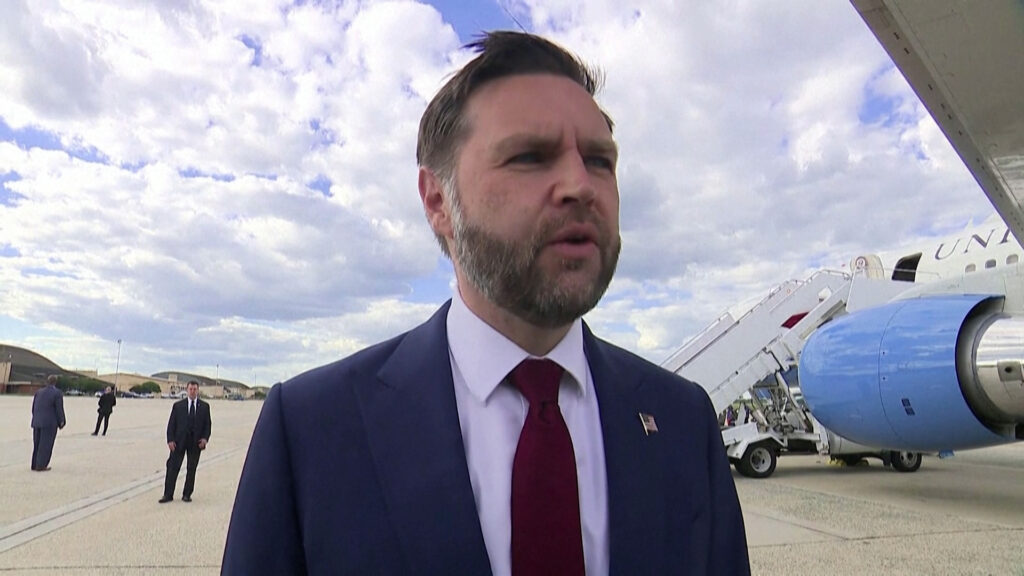
In a recent development, US Vice President JD Vance announced that Washington and Tehran have made “a lot of progress” towards reaching a ceasefire agreement. This statement marks a positive step in the ongoing efforts to ease tensions between the two nations.
The progress, described by Vance as significant, suggests that diplomatic channels are actively engaged and that both sides are willing to negotiate terms to end hostilities. The details of the proposed deal have not been fully disclosed, but the improvement in dialogue is seen as a hopeful sign for regional stability.
The relationship between the United States and Iran has been fraught with conflict and mistrust for decades, often impacting global geopolitical dynamics. Efforts to establish peace are critical not only for the two countries but also for the wider international community.
Vance’s comments come amid a series of diplomatic overtures and discussions involving intermediaries and international stakeholders. The progress reported could potentially pave the way for a formal agreement that includes provisions for ceasefire and possibly other aspects such as sanctions relief and nuclear program oversight.
Analysts note that while progress is encouraging, challenges remain. Historical grievances, political pressures, and differing objectives could still complicate final negotiations. However, the willingness expressed by both sides to continue talks is a positive development.
The international community has widely welcomed Vance’s announcement, urging sustained dialogue and cooperation. If successfully concluded, the deal could mark a turning point, reducing conflict risks in the Middle East and opening opportunities for further diplomatic engagement.
US officials are expected to provide more updates as negotiations advance, emphasizing the importance of maintaining momentum. Meanwhile, Tehran’s response has been cautiously optimistic, indicating a preparedness to work toward mutual agreements.
This progress illustrates the complex nature of international diplomacy but also highlights the potential for peaceful resolution through persistent effort and negotiation. Stakeholders worldwide are watching closely as the situation unfolds.
In conclusion, Vice President JD Vance’s statement on the progress made between the US and Iran toward a ceasefire deal offers a glimpse of hope amidst longstanding challenges, signaling a possible new chapter in bilateral relations and regional peace.