Sudan is currently engulfed in a worsening conflict marked by violence and a deepening humanitarian crisis, most recently underscored by a tragic report from a Sudanese medical group. According to this group, fighters affiliated with the Rapid Support Forces (RSF) have killed 27 civilians in recent attacks, further exacerbating the instability in the region.
The RSF, a powerful paramilitary force in Sudan, has been involved in various violent incidents as the country grapples with internal conflicts. These latest attacks highlight the ongoing dangers faced by ordinary Sudanese citizens caught in the crossfire of political and military strife.
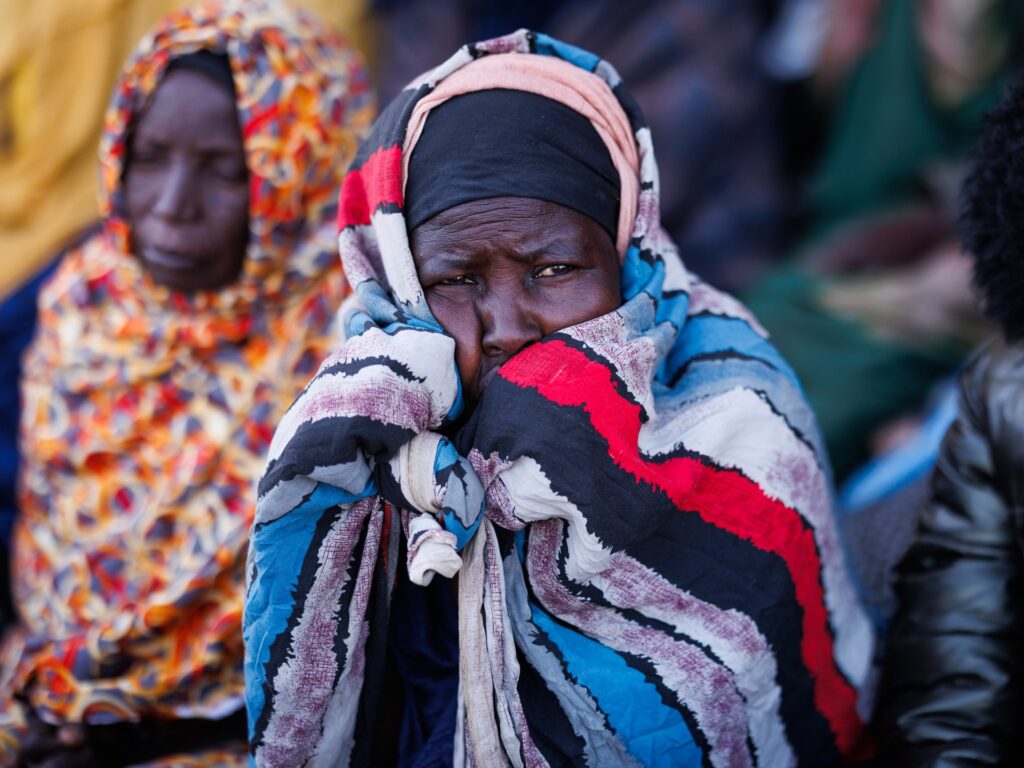
This outbreak of violence occurs against a backdrop of severe humanitarian challenges. Nearly 19.5 million Sudanese people, a significant portion of the country’s population, are facing severe hunger. This alarming situation is driven by a combination of factors including armed conflict, economic instability, and disruptions to agriculture and food distribution networks.
The scale of hunger in Sudan reflects one of the most critical humanitarian crises globally. Food insecurity is intensifying, affecting vulnerable groups such as children, the elderly, and displaced families. Humanitarian aid efforts have been hampered by the ongoing conflict, making it increasingly difficult to deliver essential supplies and medical assistance to those in need.
International organizations and humanitarian agencies have called for urgent action to address the multiple crises in Sudan. They emphasize the need for ceasefires, safe humanitarian corridors, and support for displaced populations to alleviate suffering and prevent further loss of life.
In addition to the direct consequences of violence, the killings of civilians by RSF-affiliated fighters have raised concerns about potential war crimes and violations of human rights. Investigations and accountability measures are being urged by both local and global observers to ensure justice for the victims and to deter future atrocities.
The Sudanese government faces immense challenges in restoring peace and stability. Efforts to negotiate ceasefires and political solutions are ongoing, but progress remains fragile in the face of competing armed groups and deep-seated grievances.
Meanwhile, the civilian population continues to endure hardship with limited access to healthcare, water, sanitation, and food. Hospitals and medical personnel are overwhelmed by casualties and the effects of malnutrition, compounding an already dire situation.
The international community’s response remains a critical factor in Sudan’s crisis trajectory. Funding, diplomatic engagement, and support for peace initiatives are urgently required to mitigate the humanitarian disaster and pave the way for a sustainable resolution.
This recent report of civilian deaths by RSF-affiliated fighters serves as a stark reminder of the human cost of conflict in Sudan. It highlights the urgent necessity for comprehensive peacebuilding efforts combined with humanitarian relief to address the immediate needs and long-term stability of the country.
As Sudan continues to navigate these turbulent times, the protection of civilians and the provision of basic human needs must be prioritized to halt the cycle of violence and suffering. The coming months will be critical in shaping the future of Sudan and the lives of its people, who are in desperate need of peace and security.