Germany has expressed growing concern over Israel’s recent plans to extend its control in the Gaza Strip. This development represents a notable shift in Berlin’s stance toward one of its key allies, as Germany has traditionally been a strong supporter of Israel.
The Israeli government has announced intentions to increase its administrative and military presence in Gaza, aiming to bolster security and curb militant activities. However, these plans have drawn criticism from various international observers who worry about the humanitarian implications and the potential escalation of conflict in the region.
Berlin’s response indicates a deeper unease with the situation and a more critical approach despite its historical backing of Israeli policies. German officials have voiced concerns that extending control in Gaza could exacerbate tensions, risk civilian lives, and hinder efforts toward peace and stability.
This policy pivot comes amid ongoing violence and fragmentation in Gaza, where Israeli forces and Palestinian factions frequently clash. Munich-based analysts suggest that Germany’s reassessment stems from a combination of humanitarian concerns and the shifting geopolitical landscape in the Middle East.
Furthermore, German lawmakers and civil society groups have increasingly highlighted the need for a balanced approach, calling for respect of international law and protection of civilian populations. Berlin’s new tone signals a readiness to engage more actively in diplomatic efforts to resolve the conflict.
Israeli officials, for their part, maintain that the plan is necessary for national security and the prevention of attacks against their citizens. They argue that controlling Gaza more firmly would help dismantle militant infrastructure and secure the border.
The German government’s comments mark an important moment in their foreign policy, reflecting a broader European debate on the Israeli-Palestinian conflict. Stakeholders across Europe are watching closely as Germany’s position could influence the future of international diplomacy and aid allocations.
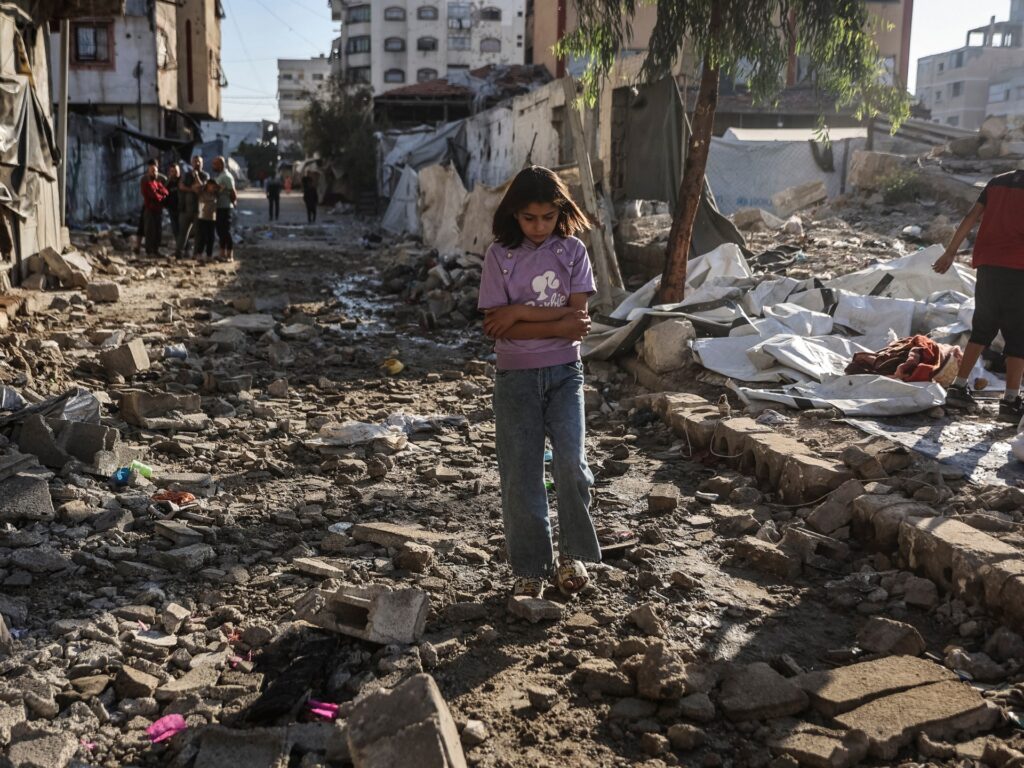
Humanitarian organizations operating in Gaza have also weighed in, warning about the risks of increased military control. They emphasize that humanitarian aid and reconstruction efforts could be severely disrupted, worsening the dire living conditions faced by Gaza’s population.
In summary, Germany’s expressed concern over Israel’s plans in Gaza not only signals a more cautious approach but also highlights the complexity of balancing security, humanitarian needs, and diplomatic relations in a highly volatile region. This developing narrative underscores Berlin’s evolving role on the international stage and its pursuit of a more nuanced and proactive foreign policy.