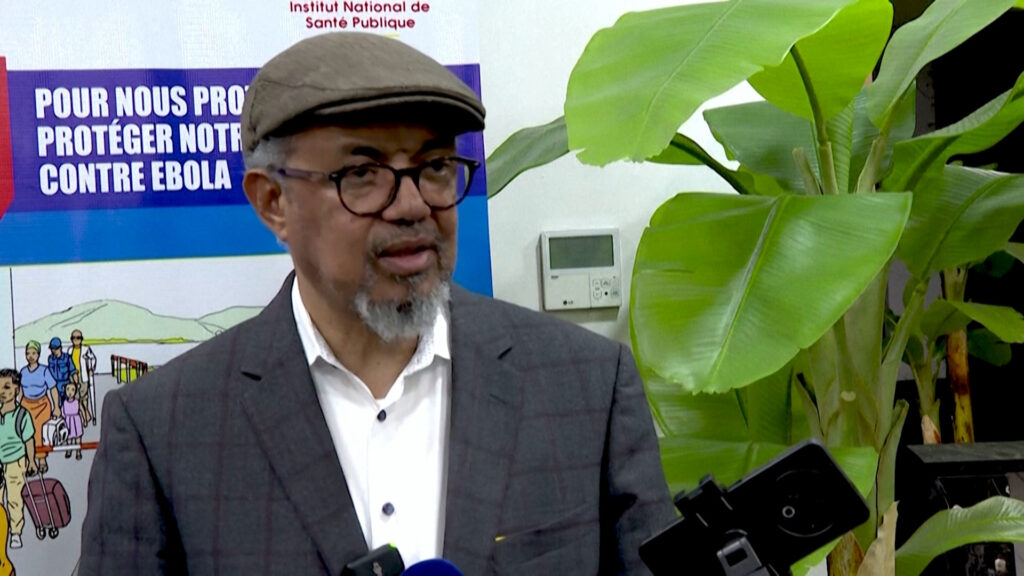
The Director-General of the World Health Organization (WHO) has made a pivotal visit to the Democratic Republic of Congo (DRC) in the midst of an ongoing Ebola crisis, underscoring the urgent need for heightened international assistance.
This visit comes at a critical juncture as the DRC battles to contain the outbreak that has severely strained its healthcare infrastructure and put thousands at risk. The WHO chief’s presence highlights the severity of the situation and the necessity for a coordinated global response.
During the visit, the WHO head met with local health officials, government representatives, and frontline healthcare workers to assess the efforts being made to control the spread of the Ebola virus. He praised the dedication and resilience of the medical teams but emphasized that more resources and support are essential to sustain and enhance the response efforts.
The WHO chief also called on international donors, governments, and NGOs to increase their financial and logistical support. This includes funding for vaccines, medical supplies, training for healthcare workers, and community outreach programs to raise awareness and prevent transmission.
The Ebola outbreak in the DRC has seen successive waves, with the virus affecting multiple provinces and causing numerous fatalities. Challenges such as remote terrain, limited infrastructure, and insecurity in certain regions have complicated response activities.
In addition to immediate medical interventions, the WHO chief stressed the importance of strengthening the DRC’s health system to better manage future outbreaks and other public health emergencies. He advocated for investment in disease surveillance, laboratory capacity, and health education initiatives.
The global health community has been monitoring the situation closely, recognizing that controlling the Ebola outbreak in the DRC is not just a national concern but a global health priority. The WHO continues to coordinate with international partners to deliver vaccines, treatments, and expert support to affected areas.
The visit serves as a call to action to the international community. Enhanced collaboration, funding, and innovation are crucial to overcoming the Ebola crisis in the DRC and preventing its spread beyond its borders.
As the WHO chief concluded his visit, he reiterated his commitment to supporting the DRC government and its people in this health emergency, reinforcing the message that solidarity and swift action can save lives and restore health security in the region.