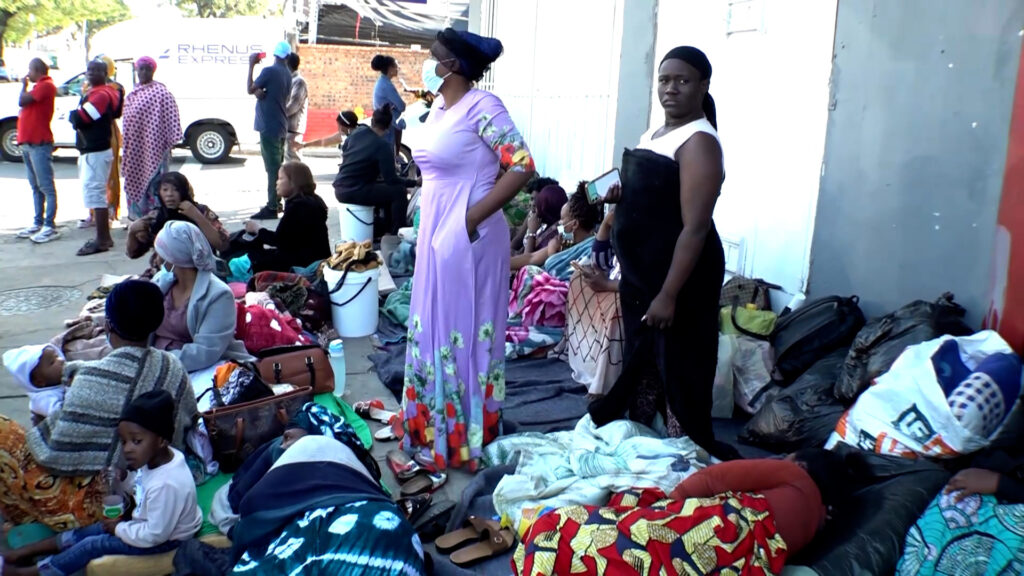
In South Africa, particularly in Durban, there is growing anti-immigrant anger that has led to an alarming situation where many foreign nationals have been forcibly displaced from their homes and businesses. This rising hostility against migrants is creating a humanitarian crisis, as individuals and families find themselves without shelter and means of livelihood.
The situation stems from long-standing tensions between local communities and migrants, often fueled by economic hardships, competition for jobs, and social integration challenges. In Durban, reports indicate that foreign nationals have been targeted by violent mobs and pressured to leave areas where they have lived and operated businesses for years.
These forced evictions and attacks have left many migrants vulnerable, living in precarious conditions on the streets or in temporary shelters. The impact is profound, affecting not only the migrants but also the local economy and social fabric of affected communities.
Government officials and civil society organizations have expressed concern over the violence and displacement. There are calls for stronger measures to protect the rights and dignity of foreign nationals and to promote social cohesion. The South African Police Service (SAPS) has been tasked with improving security and preventing further incidents.
Human rights groups emphasize the importance of addressing the root causes of xenophobic sentiments, such as poverty, inequality, and misinformation, through inclusive policies and community dialogue. International organizations have also urged the South African government to comply with international human rights standards in managing migration and protecting vulnerable populations.
Meanwhile, migrant communities are organizing to support those displaced, providing food, shelter, and advocacy. The resilience of these communities is apparent despite the harsh conditions and frequent threats.
Experts warn that unless decisive action is taken, the cycle of violence, displacement, and social unrest may escalate, undermining the nation’s unity and stability. The ongoing situation in Durban serves as a stark reminder of the need for comprehensive strategies to manage migration and foster social harmony in South Africa.
The international community is watching closely, urging peace and respect for human rights. South Africa’s next steps will be critical in setting a precedent for how migrant issues are handled in the region. The hope remains that through dialogue, policy reform, and community engagement, South Africa can overcome this crisis and build a more inclusive future for all its residents.