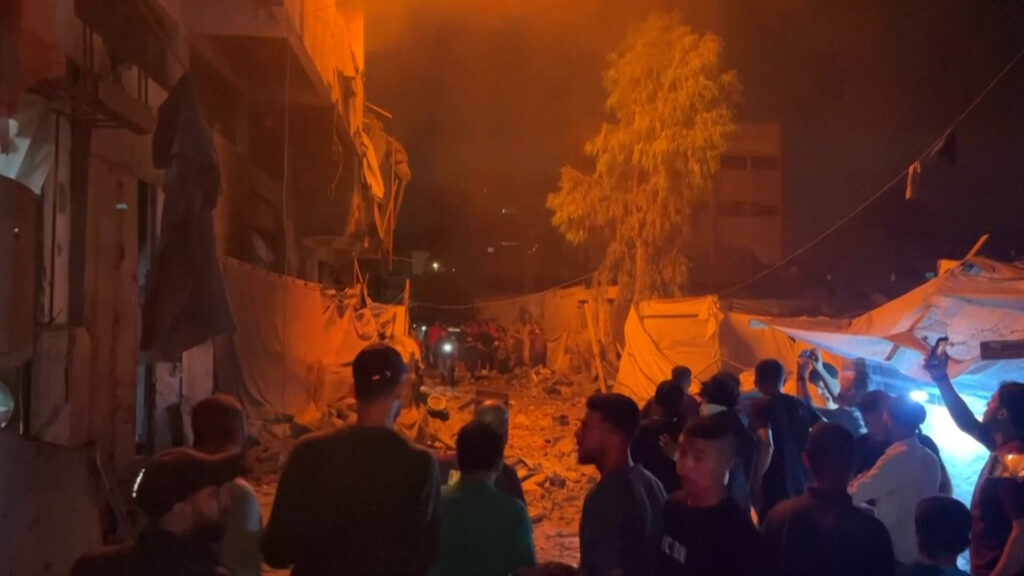
As Muslims globally gather to celebrate Eid, a festival symbolizing peace and joy, the scene in Gaza starkly contrasts this spirit. Recent Israeli airstrikes have tragically resulted in the deaths of several children, escalating the humanitarian crisis in the region and casting a pall over what should be a time of celebration.
Eid, a festival marking the end of Ramadan, is traditionally a period of happiness, community, and spiritual reflection for Muslims worldwide. However, in Gaza, fear and grief have overshadowed these sentiments as families mourn the loss of their young ones amidst the ongoing conflict.
The airstrikes have targeted various parts of Gaza, resulting in significant civilian casualties, including children who are often the most vulnerable in such conflicts. This escalation of violence has drawn international condemnation and raised urgent calls for ceasefire and humanitarian aid.
Local communities in Gaza have been deeply affected, with many residents describing the Eid as a somber occasion filled with anxiety rather than celebration. The destruction has also impaired access to essential services and disrupted daily life, exacerbating an already dire situation.
Human rights organizations have highlighted these incidents as grave violations of international law, urging immediate protection of civilians and accountability for those responsible for the attacks. The killing of children, in particular, has sparked widespread outrage and brought increased scrutiny to the ongoing military actions.
Global leaders and humanitarian agencies are calling for renewed efforts to broker peace and ensure that the rights and safety of Palestinians are upheld. The situation remains volatile, with fears that the violence could further escalate, causing more casualties and deepening the humanitarian crisis.
As the world observes Eid, the stark disparity between the joyous celebrations elsewhere and the turmoil in Gaza serves as a poignant reminder of the urgent need for peace and justice in the region. The hope among many is that future Eids will be marked by reconciliation and healing, rather than conflict and loss.