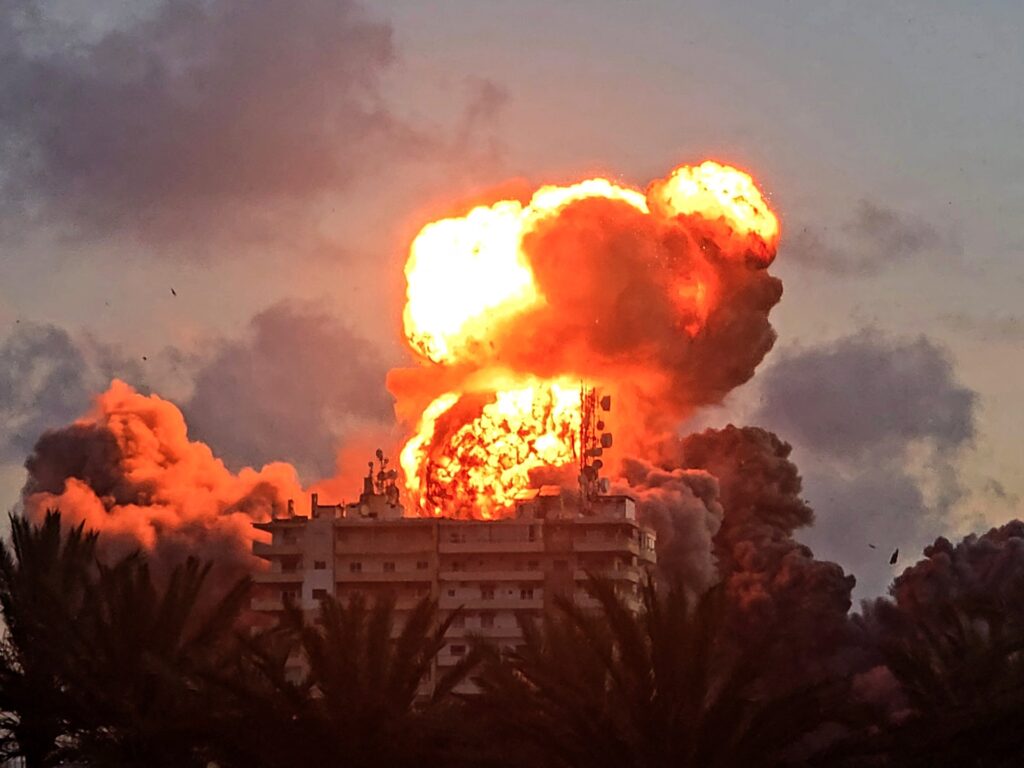
In a significant escalation of the ongoing conflict in the region, Israel has intensified its military operations in southern Lebanon, resulting in the death of at least 16 individuals. The surge in attacks has caused widespread devastation and forced a mass evacuation of residents in the affected areas.
Southern Lebanon, known for its complex geopolitical dynamics and frequent clashes, has been rocked by a fresh round of bombardments. These military strikes have targeted various locations, leading to significant casualties and destruction of infrastructure.
The situation on the ground is dire, as countless families are compelled to flee their homes to escape the relentless shelling. This mass displacement has left towns and villages in southern Lebanon largely deserted, with streets empty and daily life disrupted.
In response to the escalating violence, the International Committee of the Red Cross (ICRC) has issued a grave warning about the worsening humanitarian crisis. The organization highlighted the urgent need for humanitarian assistance and called on all parties involved to respect the principles of international humanitarian law.
The ICRC’s statement underscored the challenges faced by medical personnel and relief workers in accessing affected populations due to the ongoing hostilities. The delivery of essential supplies such as food, water, and medical aid has been severely hampered, exacerbating the plight of civilians caught in the crossfire.
The death toll continues to rise as the conflict shows no signs of abating. The international community has expressed concern over the escalating violence and its impact on regional stability. Calls for de-escalation and diplomatic dialogue are being amplified in efforts to halt the bloodshed and restore peace.
Local authorities in southern Lebanon are struggling to maintain order and provide necessary services amid the chaos. Hospitals are overwhelmed with casualties, and infrastructure damage has severely impacted communication and transportation networks.
The intensified Israeli attacks come amid broader tensions in the region, with various political and militant groups involved. The complexity of the conflict is further compounded by the strategic importance of southern Lebanon and its proximity to the Israeli border.
As the crisis deepens, humanitarian organizations are mobilizing resources to support displaced populations and provide emergency relief. However, ongoing security concerns pose significant risks to aid operations.
The international community’s attention is focused on southern Lebanon, with urgent appeals for ceasefire and negotiations to prevent further loss of life. The situation remains fluid, with developments changing rapidly as military and diplomatic efforts continue.
In summary, the recent escalation in southern Lebanon marks a troubling chapter in the region’s turbulent history. The toll on human life and infrastructure is severe, and the humanitarian consequences are profound. Without immediate intervention and sustained peace efforts, the crisis is likely to worsen, affecting not only Lebanon but also the broader Middle East region.