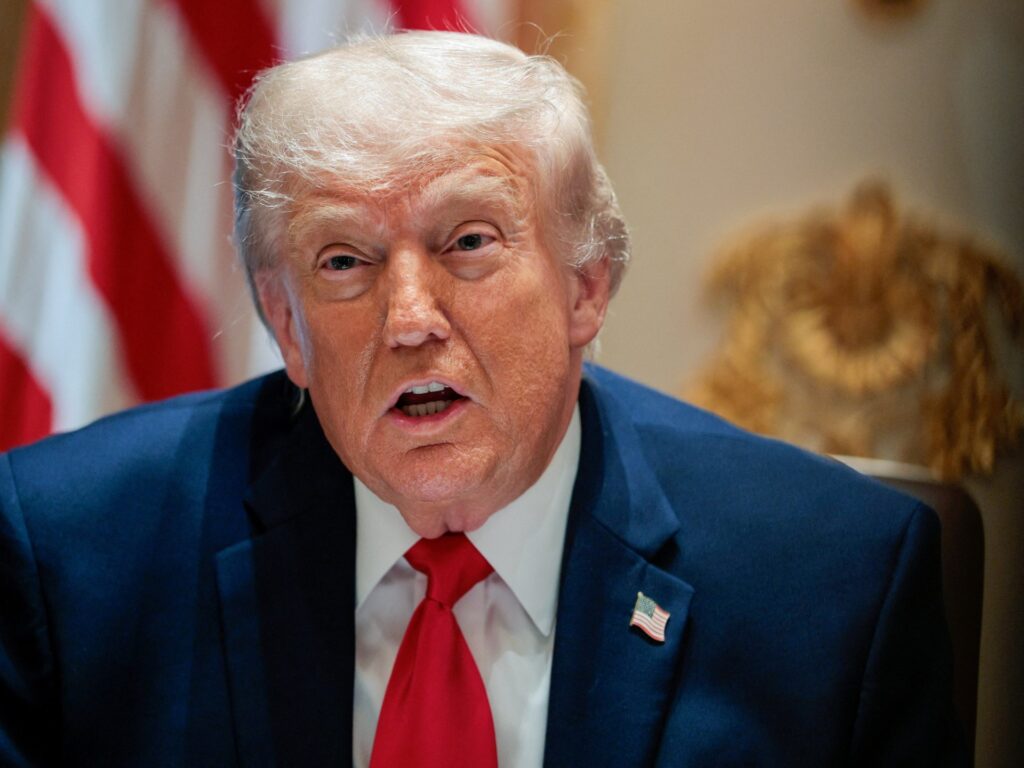
Tensions between Iran and the United States have escalated after former President Donald Trump rejected reports of a possible agreement concerning the Strait of Hormuz. This dispute comes amid a broader context of military posturing and retaliatory attacks involving both nations.
The Islamic Revolutionary Guard Corps (IRGC) of Iran announced that it has targeted a military base allegedly used by US forces. This action follows recent US attacks on a strategic site near Bandar Abbas, a key port city on Iran’s southern coast adjacent to the vital Strait of Hormuz.
The Strait of Hormuz is a critical maritime chokepoint through which a significant portion of the world’s oil supply passes. Any conflict or military activity in this region raises serious concerns about global energy security and stability.
Reports had circulated suggesting that the US and Iran were engaging in talks to reach some understanding or agreement to reduce tensions in this sensitive area. However, Trump publicly dismissed these reports, adding uncertainty to the diplomatic landscape.
Iran’s IRGC statement described its strike as a response to what it termed aggressive US attacks, emphasizing that Iran would defend its territorial integrity and strategic interests in the region. They asserted their right to retaliate against what they see as violations or provocations.
The US military’s previous strike near Bandar Abbas targeted infrastructure that Washington claimed was linked to hostile operations against American personnel. The US accuses Iran of supporting proxy groups and militias that threaten American forces and regional allies.
This tit-for-tat exchange has amplified fears of a broader confrontation in the Persian Gulf, where both countries maintain a heavy military presence. Analysts warn that miscalculations could lead to unintended escalation and widespread instability.
Diplomatic observers highlight that the lack of direct communication channels between Washington and Tehran complicates crisis management. The rejection of the Hormuz agreement report further narrows pathways for dialogue and conflict resolution.
Regional countries and international powers have called for restraint and resumed diplomatic efforts to de-escalate tensions. The international community fears that ongoing hostilities could disrupt the global oil market, leading to economic repercussions worldwide.
Experts also note that the US’s maximum pressure campaign against Iran, which includes sanctions and military interventions, has deepened mistrust, making it harder to reach compromises.
Iran continues to insist that it seeks peaceful coexistence but remains staunchly opposed to what it describes as US aggression and interference in the region’s affairs.
The recent developments underscore the fragile nature of peace and security in the Persian Gulf. Moving forward, both the US and Iran face challenges in balancing assertiveness with diplomacy to avoid further deterioration of their already tense relationship.
In summary, the rejection of the Hormuz agreement report by Trump and the ensuing military exchanges between the IRGC and US forces mark a dangerous chapter in US-Iran relations. The situation remains fluid and could have significant implications for regional stability and global energy markets.