Australian authorities have charged a woman allegedly linked to the Islamic State of Iraq and the Levant (ISIL) after she returned to Australia from Syria. The case underscores the challenges facing countries in dealing with citizens who were detained in Syrian camps, often without formal trial, for extended periods.
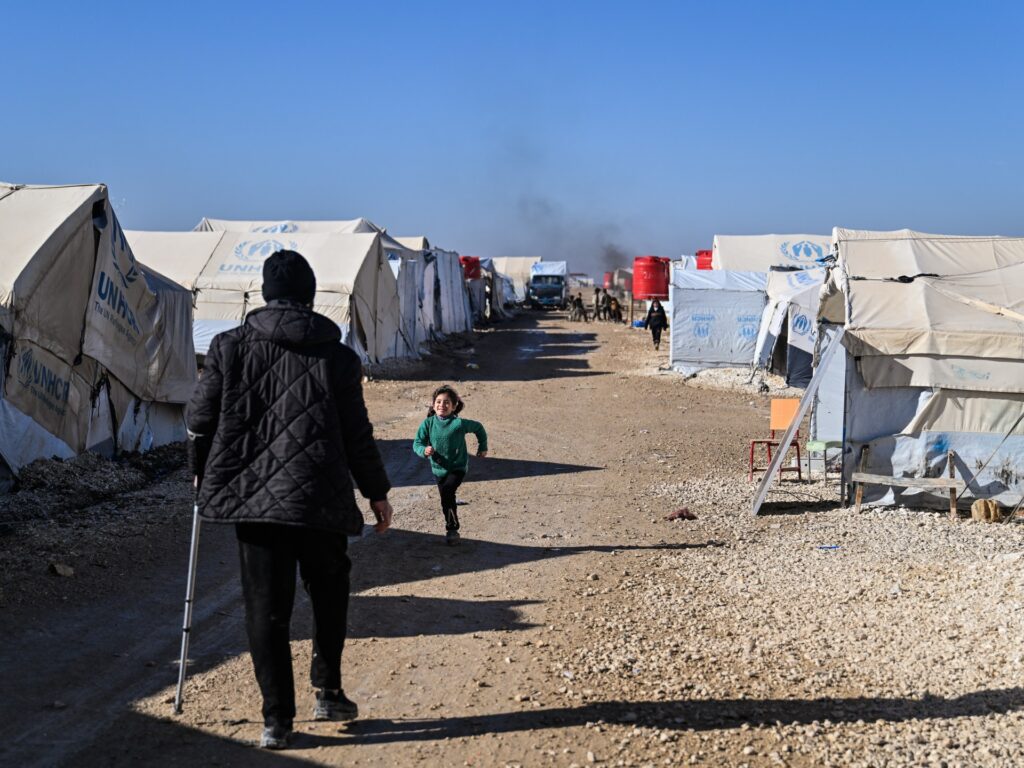
The woman, whose identity has not been publicly disclosed, was reportedly held in Syrian detention facilities alongside other women and children for several years. These camps have been the focus of international concern due to the lack of legal processes and the harsh conditions endured by detainees.
This legal action follows the recent repatriation efforts undertaken by the Australian government, aimed at bringing home nationals associated with ISIL who have been stranded in conflict zones or detention camps in the Middle East. The repatriation of women and children has been a subject of intense debate, balancing humanitarian concerns with national security.
Officials revealed that the woman faces multiple charges related to terrorism offenses. These allegations stem from her purported involvement with ISIL, a militant organization responsible for widespread violence and terrorism across several countries.
The process of repatriation and subsequent legal prosecution highlights the broader international legal challenges around dealing with foreign fighters and their families. Many nations struggle with evidentiary issues, security risks, and the moral complexities of reintegrating individuals linked to extremist groups.
Australian authorities have expressed commitment to ensuring that justice is served while adhering to the rule of law and respecting human rights obligations. This case may set a precedent that influences how similar cases are handled in the future.
The plight of women and children in Syrian camps has drawn international scrutiny, with organizations advocating for their safe return and proper legal proceedings to prevent further injustices. However, concerns remain about the adequacy of evidence and the potential risk posed by returning individuals with alleged militant ties.
This latest development contributes to ongoing discussions among governments, legal experts, and human rights groups on crafting effective strategies for repatriation, prosecution, and rehabilitation of those linked to ISIL. It also underscores the enduring impacts of the Syrian conflict on global security and legal systems.
In summary, Australia’s charging of an alleged ISIL-linked woman post-repatriation from Syria represents a significant step in addressing the legal ramifications tied to the Syrian conflict. It brings to light the complexities nations face in managing returnees from terrorist groups and reinforces the need for measured, lawful approaches to counterterrorism and human rights protection.