The conflict in the Middle East has taken a severe turn as Israel issues orders for the mass forced displacement of civilians in all of southern Lebanon. This move comes amid ongoing hostilities and marks a significant escalation in the Iran war theater involving Lebanon.
According to the Lebanese Health Ministry, Israeli attacks have resulted in the deaths of 3,269 people since March 2. The casualties have primarily been civilians, compounding the humanitarian crisis in the region.
The directive for the forced displacement is seen as a strategic move by Israeli forces to clear the area of potential Hezbollah militants and to secure the southern borders. However, the large-scale evacuation is expected to displace tens of thousands of residents, creating urgent humanitarian concerns.
Lebanese officials and international observers have voiced deep concern over this development. Human rights groups warn that forced displacement raises significant legal and ethical issues, including violations of international humanitarian law.
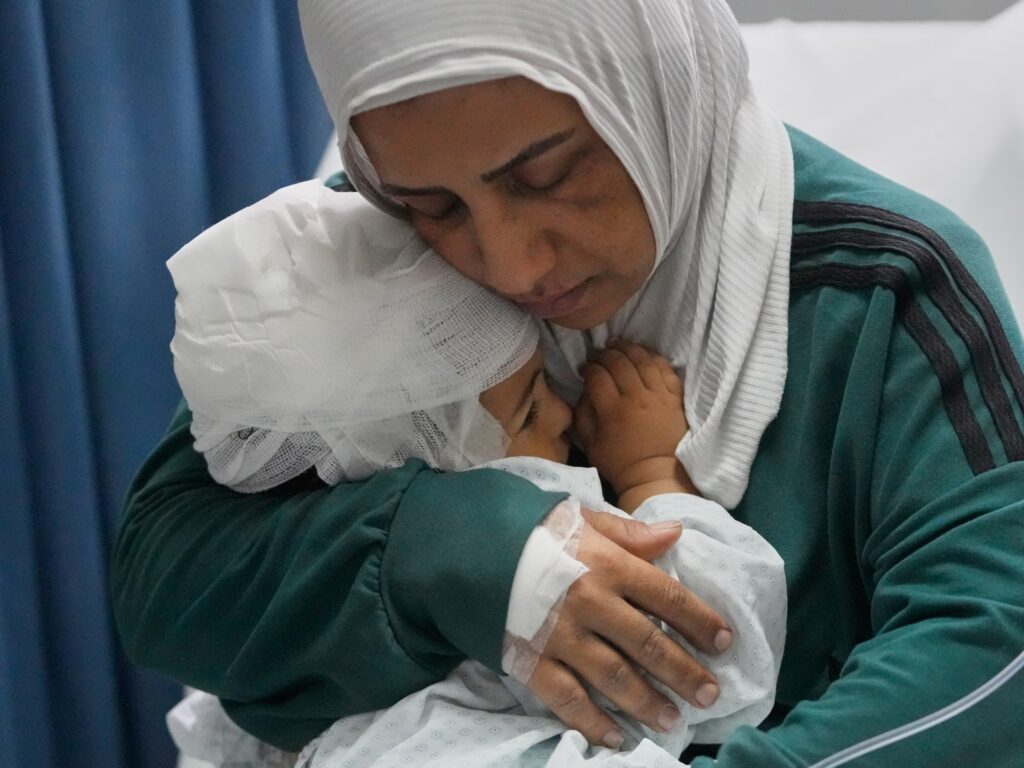
The impact on the civilian population is dire, with disruptions to access to food, water, medical services, and shelter. Many displaced families are already facing precarious conditions, and the escalation threatens to worsen the situation dramatically.
The international community has called for restraint and dialogue to prevent a further escalation of violence. United Nations agencies have expressed readiness to provide humanitarian aid but stress the critical need for safe corridors to facilitate the movement of displaced persons.
This conflict follows years of tension in the region, influenced by broader Iran-Israel hostilities and the role of Hezbollah in Lebanon. The current violence underscores the fragile nature of peace efforts in the area.
As Israeli forces continue their operations, the future of southern Lebanon hangs in the balance. The mass forced displacement orders highlight the human cost of ongoing conflict and the urgent need for diplomatic solutions to address the underlying issues driving the violence.
The situation remains fluid, with new developments expected in the coming days. International agencies and governments worldwide are monitoring the crisis closely, emphasizing the importance of humanitarian access and the protection of civilian lives amid hostilities.