The Democratic Republic of Congo (DRC) is currently grappling with a devastating convergence of two crises: a severe Ebola outbreak and persistent armed conflict. Dr. Tedros Adhanom Ghebreyesus, the Director-General of the World Health Organization (WHO), has issued a stark warning about the situation, describing it as a “catastrophic collision” that threatens to overwhelm the country’s already fragile healthcare infrastructure and humanitarian systems.
According to Dr. Tedros, controlling the spread of Ebola in the DRC is heavily dependent on humanitarian access to affected regions, which is being severely hindered by ongoing war and insecurity. The armed conflict not only makes it difficult for health workers to reach patients and carry out vaccinations but also endangers the lives of those involved in the response efforts.
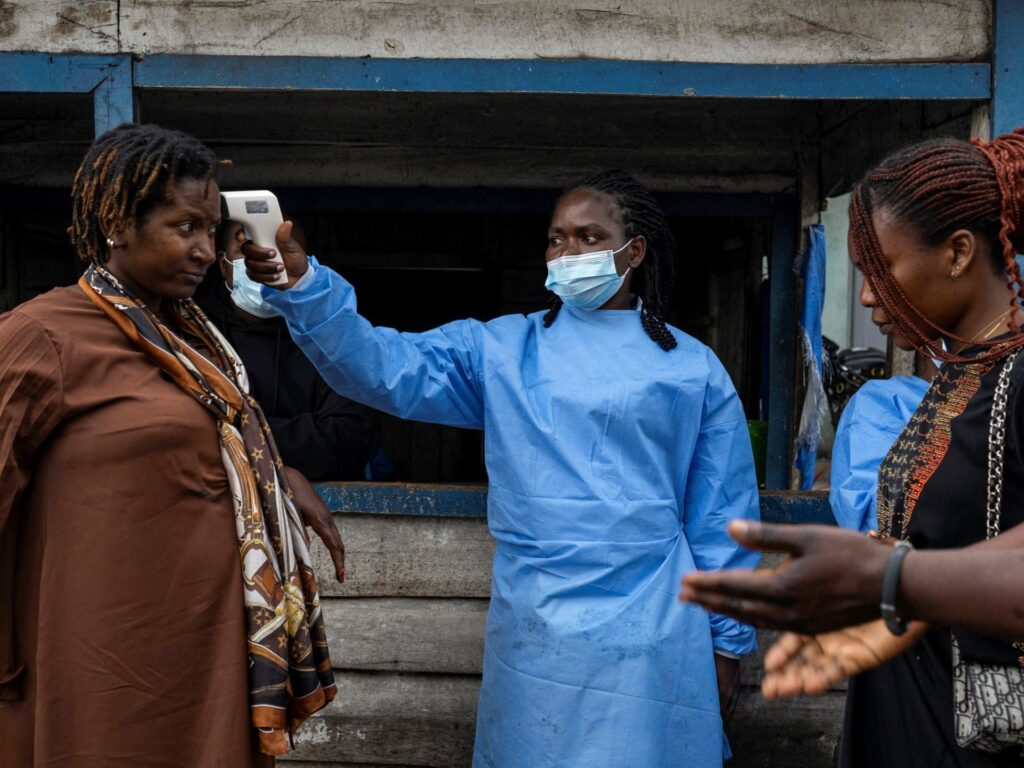
Ebola, a highly infectious and often deadly virus, requires swift containment measures including contact tracing, community engagement, and vaccination campaigns. However, conflict zones pose unique challenges, such as restricted movement and distrust among local populations, which complicate these life-saving interventions.
The WHO chief emphasized that without the ability to provide uninterrupted humanitarian aid and medical response, the Ebola outbreak could escalate dramatically, potentially causing a broader health crisis with far-reaching consequences.
The DRC has faced multiple Ebola outbreaks in the past, but the current situation is unprecedented due to the combined impact of conflict and disease. The war has forced many communities to flee, displaced thousands, and destroyed critical health infrastructure, thereby exacerbating the vulnerability of the population to the virus.
International and local organizations are calling for increased support to ensure humanitarian corridors remain open. They stress the importance of community trust-building initiatives to overcome skepticism and fear among the population.
Dr. Tedros and other global health leaders continue to appeal to all parties involved in the conflict to prioritize humanitarian access and cooperate in efforts to contain the Ebola outbreak. The global health community is mobilizing resources and expertise to assist DRC’s health authorities in combating this dual crisis.
The intersection of war and a deadly epidemic presents a complex emergency requiring coordinated international response, peacebuilding efforts, and sustained investment in health systems. Failure to address these factors could lead to dire outcomes both within the DRC and beyond, given the potential for regional spread.
In conclusion, the WHO chief’s warning underscores the urgent need for integrated solutions that tackle both the humanitarian and health dimensions of this crisis in the DRC. Stopping the Ebola transmission hinges on ensuring safe and consistent access for humanitarian workers amid conflict. The international community’s response in the coming weeks will be critical in shaping the course of this emergency and the lives of millions affected.