Bunia, a city grappling with an Ebola outbreak, faces increasing isolation due to significant travel and border restrictions. Authorities have suspended flights over the Democratic Republic of Congo’s airspace, while Uganda has imposed stringent curbs on its shared border. These measures, designed to contain the spread of Ebola, have led to profound economic and social consequences for the local population.
The suspension of flights has effectively cut off one of Bunia’s critical connections to the outside world. Air travel is a vital link for the movement of people, medical supplies, and essential goods. Without it, the city experiences delays in receiving necessary aid and heightened logistical challenges.
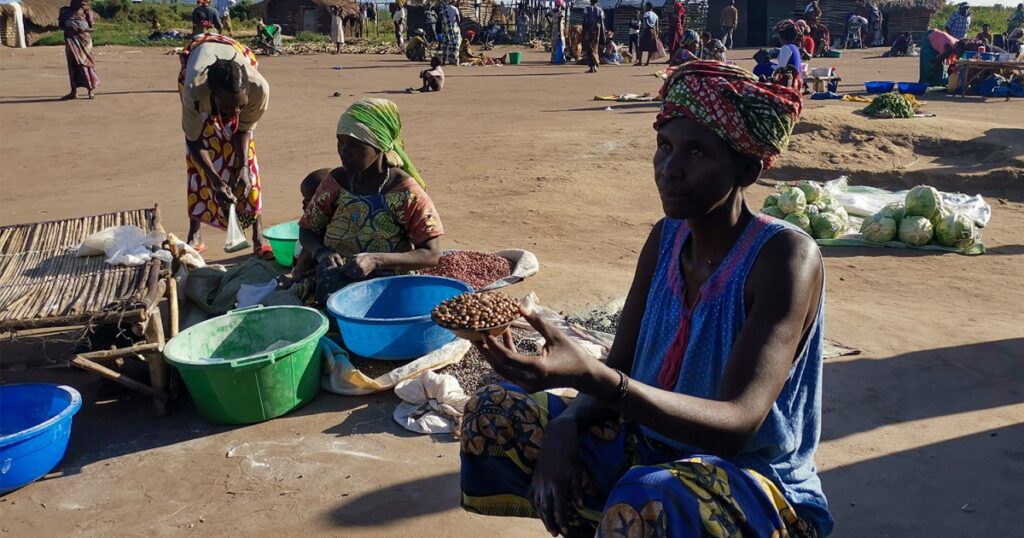
Uganda’s decision to restrict border crossings from Bunia further compounds the city’s plight. Border curbs limit cross-border trade, which many residents rely on for their livelihoods, and restrict the flow of goods into and out of the region. This has disrupted markets, increased food insecurity, and strained local businesses.
Healthcare workers on the ground warn that isolating Bunia may have unintended consequences. While the measures aim to prevent Ebola’s spread, they also hinder the movement of medical teams and resources essential for combating the outbreak effectively. This isolation could delay response efforts and worsen the epidemic’s impact.
The local government is urging for balanced interventions that ensure both containment of Ebola and the sustenance of economic activities. They call for international assistance to provide support in terms of medical supplies, funding, and logistical aid to maintain critical services amidst restrictions.
Community leaders express concern over misinformation and fear spreading alongside the virus. Public education campaigns are being ramped up to inform residents about preventive measures, symptoms, and the importance of seeking early treatment. These efforts are vital to prevent panic and encourage cooperation with health authorities.
Meanwhile, international health organizations are closely monitoring the situation. They emphasize the importance of coordinated cross-border collaboration to manage the outbreak and alleviate the socioeconomic impacts. Strategies include establishing safe transport corridors, enhancing surveillance, and bolstering healthcare infrastructure.
Despite challenges, there is hope that with concerted efforts, Bunia can overcome the current crisis. The combination of rigorous health measures, community engagement, and targeted economic support stands as the best path forward to safeguard public health and restore normalcy.
In summary, the flight suspension over DRC airspace and Uganda’s border restrictions have intensified the isolation of Ebola-hit Bunia, exacerbating economic hardships. However, with comprehensive support and strategic planning, it is possible to mitigate these impacts and control the outbreak effectively.