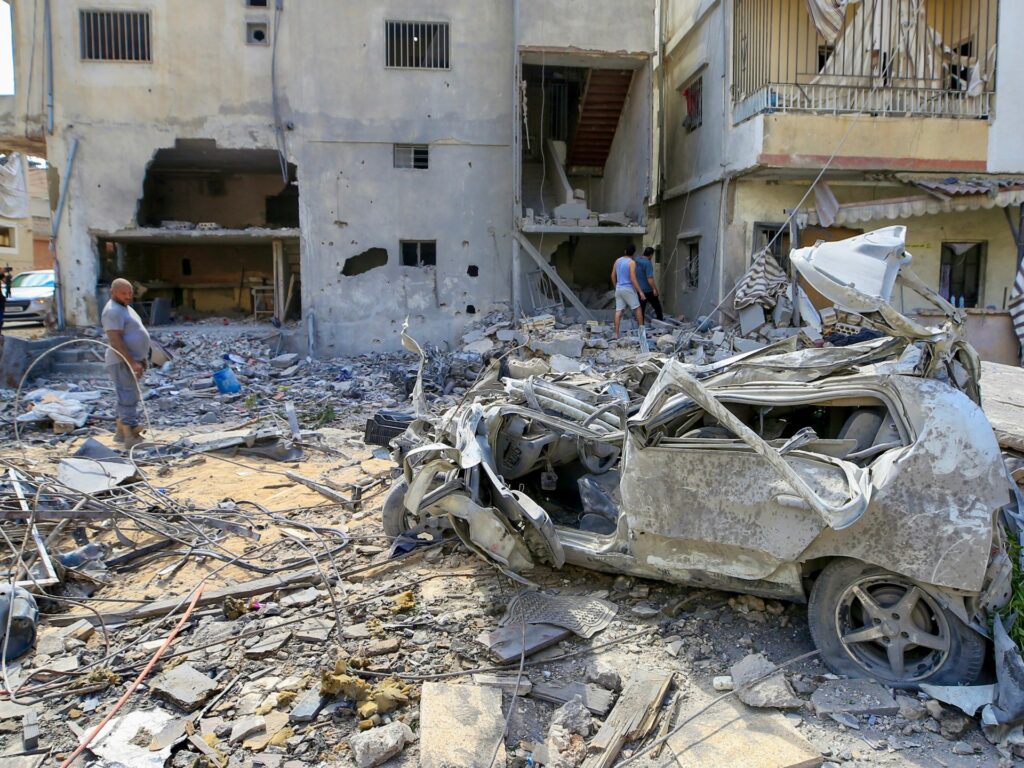
The ongoing conflict involving Iran, Israel, and Lebanon has escalated further with recent attacks resulting in significant casualties. According to Lebanon’s Health Ministry, Israeli strikes since March 2 have led to the death of 3,213 people and injured 9,737, highlighting the severe humanitarian toll of the conflict.
In the latest development, Israeli forces killed 31 individuals in Lebanon, intensifying the volatile situation in the region. These attacks have provoked strong condemnation from Tehran, which accused the United States of violating a truce agreement aimed at de-escalating the hostilities.
Tehran’s statement condemned the actions of Israel as well as the US, emphasizing that the truce violation undermines efforts to achieve peace and stability in the Middle East. The accusation against the US suggests a complex dynamic where Washington’s role in the conflict and peacekeeping efforts is being questioned.
The conflict traces back to longstanding tensions between Israel and Hezbollah, the Lebanese Shia militant group, which is supported by Iran. The region has been a hotspot for conflict due to geopolitical rivalries, religious sectarianism, and regional power struggles.
The escalating violence has led to significant loss of civilian life, widespread destruction, and displacement of thousands. International calls for ceasefire and humanitarian aid continue to grow as the situation remains dire.
Human rights organizations have urged all parties to adhere to international humanitarian laws, protect civilian populations, and engage in dialogue to avoid further bloodshed. The international community remains deeply concerned about the potential for the conflict to spread and impact broader regional security.
As tensions rise, the risk of a broader war involving multiple countries increases, underscoring the urgent need for diplomatic interventions. The United Nations and other international bodies are actively seeking ways to mediate and restore peace in the region.
This conflict highlights the challenges of achieving lasting peace in a region marked by complex historical grievances and foreign interventions. The humanitarian situation demands immediate attention to provide relief and support to affected populations.
In summary, the latest Israeli attacks in Lebanon, resulting in the deaths of 31 people and thousands more since early March, coupled with Tehran’s accusations against the US for violating a truce, signal a dangerous escalation in the Iran-Israel-Lebanon conflict. The international community faces a critical juncture where effective diplomacy and humanitarian efforts are essential to prevent further catastrophe.