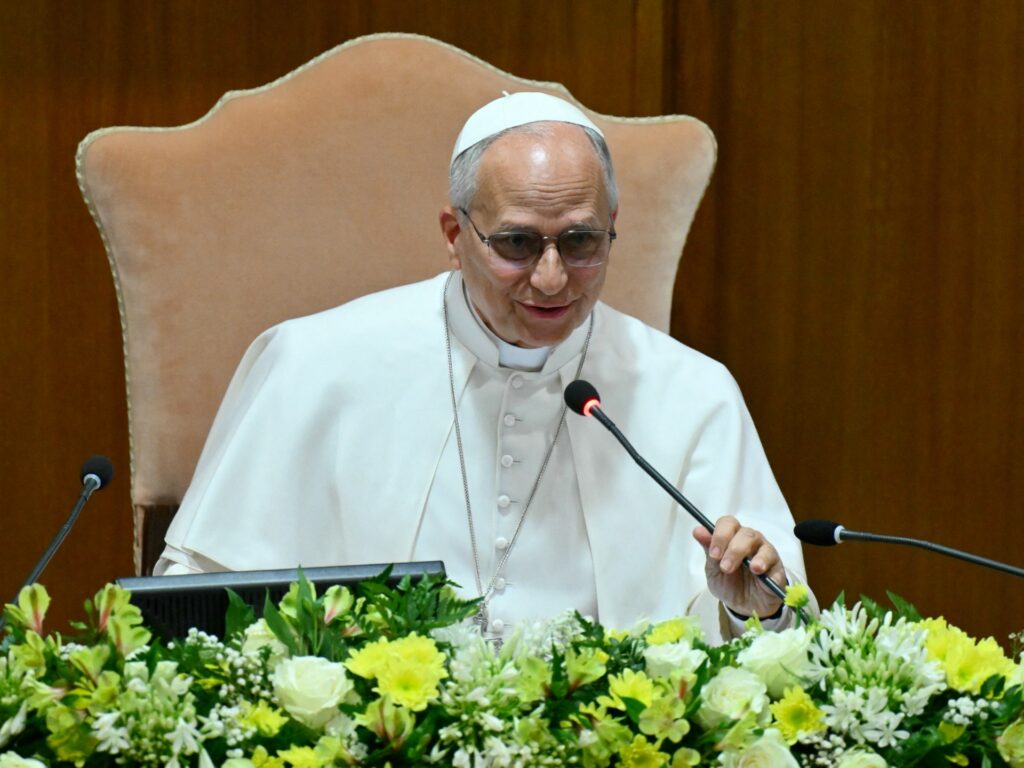
Pope Francis has issued a strong warning about the unchecked development and control of artificial intelligence (AI), emphasizing the urgent need to ‘disarm’ these technologies to prevent harmful consequences such as domination, exclusion, and death. In his first-ever papal encyclical addressing technology, Pope Francis insists that AI and its vast data assets must not be left solely in the hands of private corporations or individuals. This landmark message highlights a growing concern over who controls AI data and how it impacts society.
The Pope’s encyclical calls for a global and inclusive approach to managing AI, rooted in ethical principles and social justice. He stresses that relinquishing AI governance exclusively to private interests could lead to dangerous monopolies, exacerbating inequality, and marginalizing vulnerable populations. According to the pontiff, without proper regulation, AI could be weaponized or used to exclude people from essential resources, ultimately putting human lives at risk.
Francis advocates that AI development should prioritize the common good, transparency, and accountability. He envisions a future where artificial intelligence acts as a tool for empowerment rather than oppression—a technology designed to enhance human dignity while safeguarding the rights of all individuals.
The encyclical also underscores the importance of data ownership and privacy. Pope Francis warns that when AI data is concentrated in private hands, it can be exploited for profit or control, often at the expense of public interest and democratic governance. He urges governments, international organizations, and civil society to collaborate on frameworks that ensure fair distribution, ethical usage, and open access to AI innovations.
This call from Pope Francis arrives at a critical moment, as AI technologies are rapidly advancing and becoming embedded in many aspects of daily life, from healthcare and education to finance and social interaction. His urgency reflects concerns shared by ethicists, scientists, and policymakers worldwide about the potential for AI to disrupt social orders or deepen existing disparities if left unchecked.
The Pope’s message is also a moral appeal for humanity to consider the spiritual and ethical dimensions of AI. He reminds us that technology should serve people and not the other way around. Disarming AI, in this context, means establishing safeguards to prevent its malicious use and ensuring it contributes positively to society.
In conclusion, Pope Francis’ encyclical offers a thoughtful blueprint for engaging with artificial intelligence—a call to humanity to harness these powerful technologies responsibly, justly, and with compassion. His vision places human welfare and dignity at the forefront of the AI revolution, challenging all sectors to rethink how AI should be governed and who truly benefits from its transformative potential.