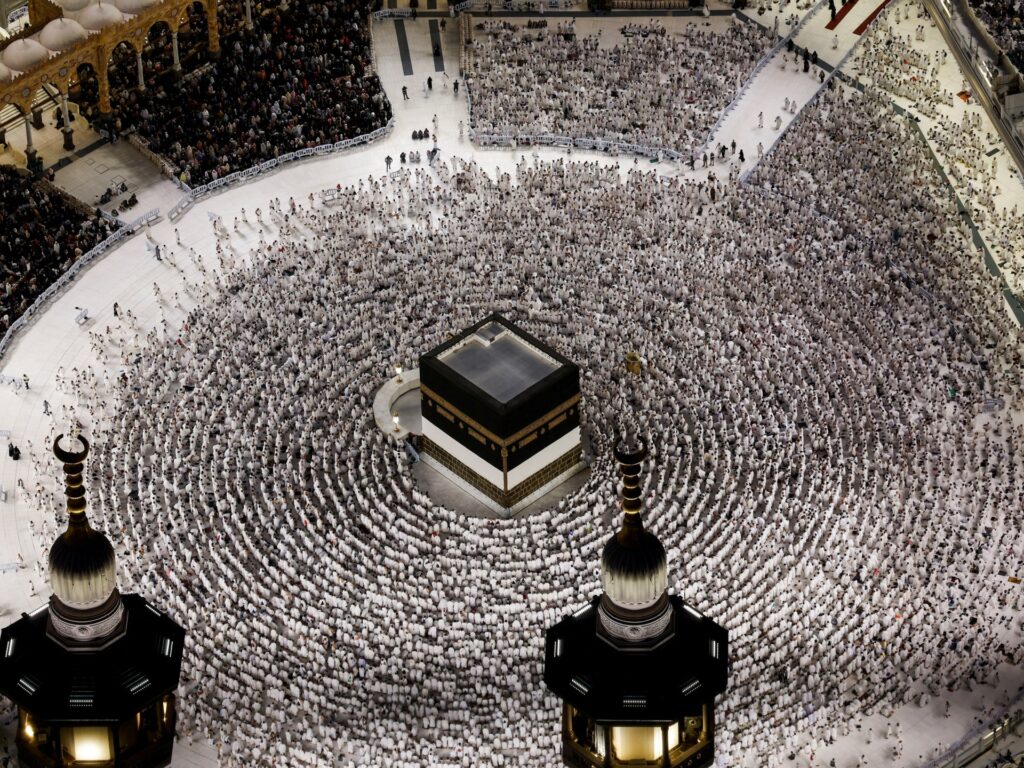
Every year, nearly two million Muslim pilgrims from around the globe journey to Mecca to perform Hajj, one of the largest religious gatherings on the planet. As this massive influx of worshippers converges in Saudi Arabia, the logistical and organizational challenges are immense. Over the years, technology has become an indispensable tool in ensuring the Hajj pilgrimage runs smoothly and safely for all attendees.
One of the critical aspects technology assists with is crowd management. Advanced surveillance systems using drones and CCTV cameras help monitor crowd flow in real-time, allowing authorities to manage congestion and prevent stampedes, which have tragically occurred in the past. These monitoring tools provide live feedback to control centers, facilitating quick responses to emerging issues.
Mobile technology also plays a vital role. Dedicated smartphone applications provide pilgrims with essential information such as prayer timings, maps of the holy sites, safety guidelines, and emergency contacts. Many apps also feature multilingual support, making it easier for diverse pilgrims to navigate the complex rituals and locations.
Additionally, GPS tracking is utilized to enhance the safety of pilgrims. Authorities can monitor the movement of groups and intervene if any individuals are lost or need assistance. This technology also enables family members to track pilgrims, offering peace of mind during the hectic event.
Health and hygiene are other areas improved by technology. Thermal scanners and health monitoring systems are employed to detect potential outbreaks or health concerns early. During recent years, technology was crucial in implementing COVID-19 precautions, including contact tracing and vaccination status verification.
The Saudi government has invested heavily in infrastructure, deploying smart sensors and IoT devices to optimize water and electricity usage, ensuring sustainability despite the temporary surge in demand. Smart waste management systems also help keep the holy sites clean and hygienic.
Transport systems have been upgraded with technology to smooth the flow of pilgrims between key locations such as Mina, Arafat, and Muzdalifah. Automated vehicle scheduling, real-time traffic updates, and digital ticketing reduce wait times and enhance overall efficiency.
Furthermore, technological education and awareness campaigns help prepare pilgrims before arrival, providing online courses and tutorials on performing Hajj rites properly and safely.
In conclusion, technology has become an essential pillar supporting the Hajj pilgrimage. It enhances safety, convenience, and hospitality, ensuring the spiritual journey remains as seamless as possible despite the vast scale of the event. As technology continues to evolve, its role in shaping a better Hajj experience will only grow, benefiting millions of worshippers worldwide.