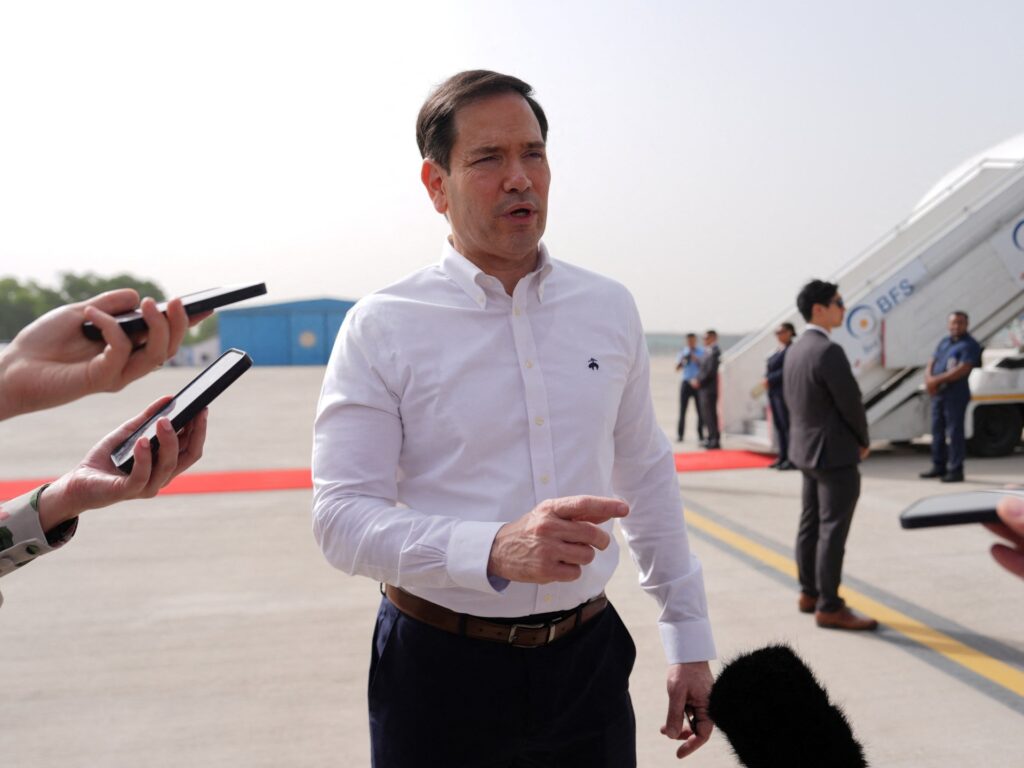
U.S. Secretary of State has expressed confidence that a “pretty solid” deal is currently on the table regarding the strategic Strait of Hormuz, a critical maritime passage for global oil shipments. The remarks come amid ongoing diplomatic talks with Iran aimed at ensuring the free flow of traffic through the waterway, which has been a flashpoint of tension in international relations.
Senator Marco Rubio emphasized that while the United States is committed to peaceful negotiations, it is prepared to find “another way” should discussions fail. This statement underscores the U.S. resolve to maintain security and freedom of navigation in the region, despite the challenges faced in diplomacy with Iran.
The Strait of Hormuz, located between the Persian Gulf and the Gulf of Oman, is a vital chokepoint through which a significant percentage of the world’s petroleum passes. Ensuring that this route remains open is critical for global energy markets and regional stability.
Over recent years, heightened tensions have emerged from incidents involving military vessels and oil tankers, as well as sanctions and political disagreements between the U.S. and Iran. The prospect of a deal to guarantee the passage is seen as a positive sign by many international observers.
While details of the deal remain confidential, officials suggest it includes measures for monitoring and preventing blockades or aggressive actions around the strait. The U.S. aims to collaborate with allies and regional partners to uphold maritime security and deter potential disruptions.
Senator Rubio’s assurance of an alternative approach reflects a multifaceted U.S. strategy balancing diplomatic engagement, economic sanctions, and military presence if necessary. This approach aims to reduce the risk of escalation while safeguarding critical international trade routes.
Experts warn that failure to secure a reliable and durable agreement could lead to increased instability, impacting oil prices and global markets. Therefore, the current dialogue is being closely watched by governments, economists, and energy sector stakeholders alike.
The administration’s proactive stance signals its recognition of the Strait of Hormuz’s geopolitical importance and the imperative of maintaining open sea lanes for international commerce and security.
In summary, while hopeful for successful negotiations, the U.S. remains poised to act decisively to keep the Strait of Hormuz accessible, reaffirming its commitment to global maritime security and regional peace.