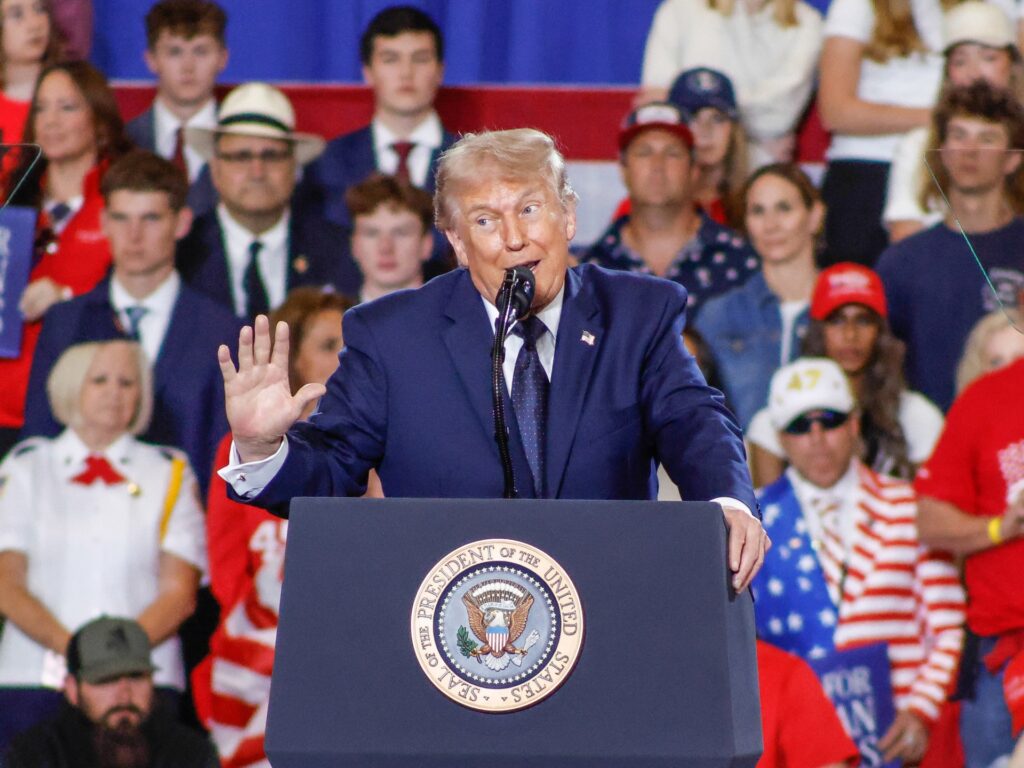
In a recent statement, former U.S. President Donald Trump emphasized the importance of not rushing into a nuclear deal with Iran, highlighting the necessity for a comprehensive and robust agreement. Trump’s remarks come as Tehran asserts its ‘legal right’ over the strategic Strait of Hormuz, a vital chokepoint through which a significant portion of the world’s oil supply flows.
The Strait of Hormuz has long been a flashpoint in U.S.-Iran relations. Iran’s claim to sovereignty and control over the passage underscores its strategic leverage, particularly in the context of ongoing negotiations. Tehran’s position complicates efforts to reach a consensus, especially as the U.S. continues its blockade, signaling that any restrictions will remain until a final, concrete deal is achieved.
Iran has recently accused Washington of leaking false information regarding the details of a memorandum related to the nuclear agreement. The leak, according to Iranian officials, aims to destabilize the negotiation process and sway public opinion against Tehran. This allegation adds another layer of mistrust between the two nations, which have long been adversaries in geopolitical terms.
The U.S. blockade remains a significant obstacle in the road to diplomacy. While many in the international community advocate for easing tensions and rebuilding trust, the Trump administration’s stance underscores a more cautious approach. Trump has repeatedly stated that any deal must include strict verification measures to prevent Iran from pursuing nuclear weapons capabilities under the guise of peaceful energy development.
Tehran, on the other hand, continues to assert its rights and sovereignty in the region. The Iranian government insists that its actions in the Strait of Hormuz fall within international law and that any attempts to restrict its influence are unwarranted provocations. This assertion resonates domestically, bolstering the government’s narrative of defending national pride against external pressure.
Experts suggest that the current impasse reflects deeper strategic calculations on both sides. For the U.S., maintaining leverage through sanctions and military presence in the region serves as a deterrent against escalation. For Iran, demonstrating control over Hormuz is a bargaining chip to secure concessions in the broader nuclear negotiations.
The international community watches closely as these developments unfold, concerned about the potential for conflict escalation that could disrupt global energy markets and regional stability. Diplomats continue to advocate for renewed dialogue, aiming to find a balanced solution that addresses security concerns and respects Iran’s sovereignty.
In summary, the situation between the United States and Iran remains delicate, with significant disagreements over the nuclear deal framework and regional control issues such as the Strait of Hormuz. Trump’s call for patience suggests a preference for thorough negotiations over hasty agreements, while Tehran’s firm stance highlights ongoing challenges in restoring mutual trust.
The path forward will likely require careful diplomacy, transparency, and concessions from both parties to avert further escalation and achieve a durable peace agreement that satisfies international non-proliferation objectives and regional security interests.