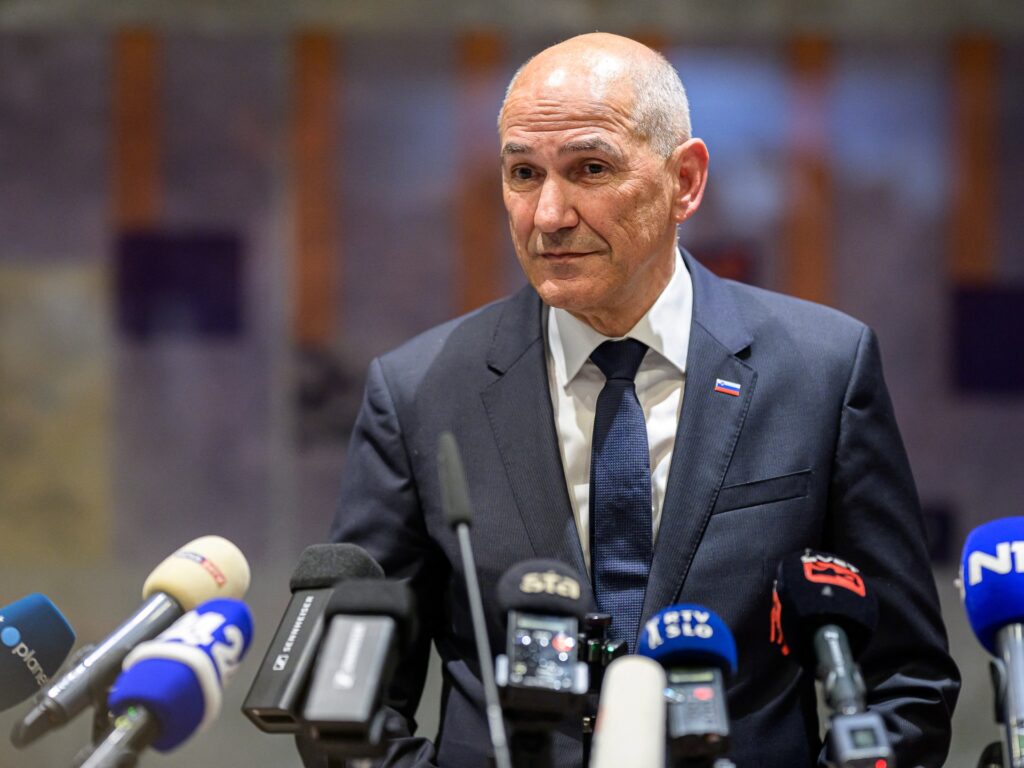
Slovenia’s parliament has officially approved the appointment of Janez Janša as the country’s prime minister, marking a significant political shift in the European Union member state. The move returns Janša, a right-wing populist and former leader, to power, replacing the previously liberal government that had been steering Slovenia’s politics.
Janez Janša, who has a long history in Slovenia’s political landscape, is known for his conservative and nationalist views. His approval as prime minister signals a pivot towards a more right-leaning governmental approach, which has sparked diverse reactions both domestically and internationally.
The approval process involved parliamentary voting, through which Janša secured the majority needed to assume office. This change comes at a time when many EU countries are grappling with the rise of populism, where leaders like Janša gain traction by addressing immigration, national identity, and economic concerns with a nationalist lens.
The previous liberal government in Slovenia had focused on progressive policies, European integration, and liberal democratic values. Janša’s new government setup highlights a potential recalibration of Slovenia’s domestic and foreign policies.
Under Janša’s leadership, observers expect a tougher stance on issues such as immigration and relations with the European Union, while also positioning Slovenia more assertively on global and regional matters. His prior terms as prime minister were marked by controversial policies and rhetoric, which at times led to tensions with the EU institutions and media freedom advocates.
Supporters of Janša view his return as a positive development, confident in his ability to stabilize the economy, enforce stricter immigration controls, and promote national interests. Conversely, critics fear that his governance may undermine democratic institutions, reduce media independence, and strain Slovenia’s relationships within the EU.
The shift also reflects the broader European trend where voters in several countries have been shifting towards right-wing parties, driven by concerns over economic disparities, immigration, and national sovereignty. In Slovenia, Janša’s rise came amidst dissatisfaction with the previous government’s handling of economic issues and public services.
Janša’s tenure will be closely watched by EU leaders, policymakers, and international observers, given Slovenia’s strategic position and influence in the Balkans and Central Europe. Slovenia’s new government’s policies and stance will likely have ripple effects on regional stability, European politics, and EU cohesion.
As Janša begins his latest term as prime minister, the country faces the challenge of balancing populist demands with the need to maintain constructive relations with the European Union and uphold Slovenia’s democratic traditions. His leadership will play a crucial role in shaping Slovenia’s trajectory for the coming years.
In summary, the approval of Janez Janša as Slovenia’s prime minister marks a significant ideological shift for the nation, reflecting ongoing political transformations within Europe. It underscores the complexities of navigating national interests and EU integration in an era of rising populism and political realignment.