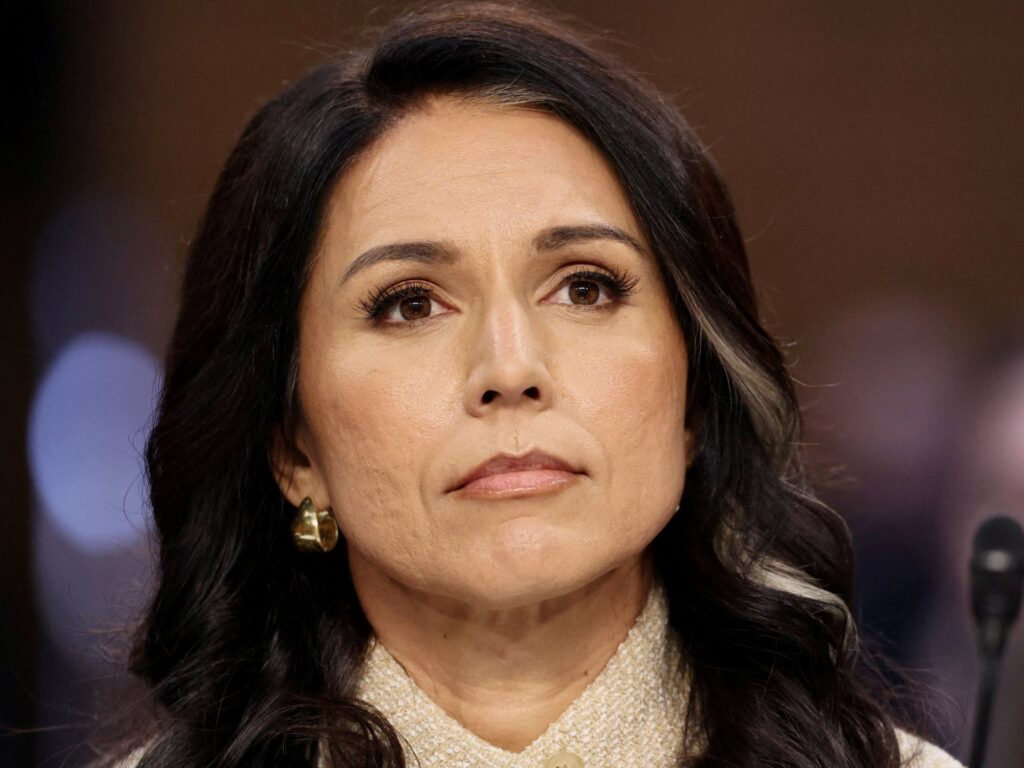
In a surprising and significant development in US politics, Tulsi Gabbard has resigned from her position as the top intelligence official under President Donald Trump’s administration. This resignation marks a notable shift within the intelligence community and the broader political landscape. Tulsi Gabbard, a former US Representative and a prominent political figure known for her independent views, had been serving as the leading intelligence advisor in the Trump administration. Her role involved overseeing critical intelligence operations and providing strategic counsel on national security matters. The reasons for Gabbard’s resignation have yet to be fully disclosed, but insiders suggest that differences in policy direction and internal disagreements may have played a part. Gabbard’s departure comes at a time of heightened political tension and ongoing challenges in US intelligence affairs. Political analysts speculate that this move could signal deeper divisions within the administration and may have implications for future intelligence policies and operations. Gabbard’s tenure was marked by her vocal and sometimes unorthodox stance on various national security issues, which occasionally put her at odds with other members of the administration. Her resignation may open the door for a shift in the administration’s approach to intelligence and security strategy. The White House has yet to announce a successor or provide detailed comments on the impact of Gabbard’s resignation. However, this development is expected to prompt a reevaluation of key intelligence priorities and leadership dynamics within the administration. Tulsi Gabbard’s departure leaves questions about the future direction of US intelligence and the potential changes in how intelligence oversight will be managed moving forward. This news story is unfolding, and further updates will be provided as more information becomes available. For now, Tulsi Gabbard’s resignation stands as a pivotal moment in the Trump administration’s intelligence apparatus, highlighting the complexities and challenges faced in navigating the national security landscape during this politically charged period.