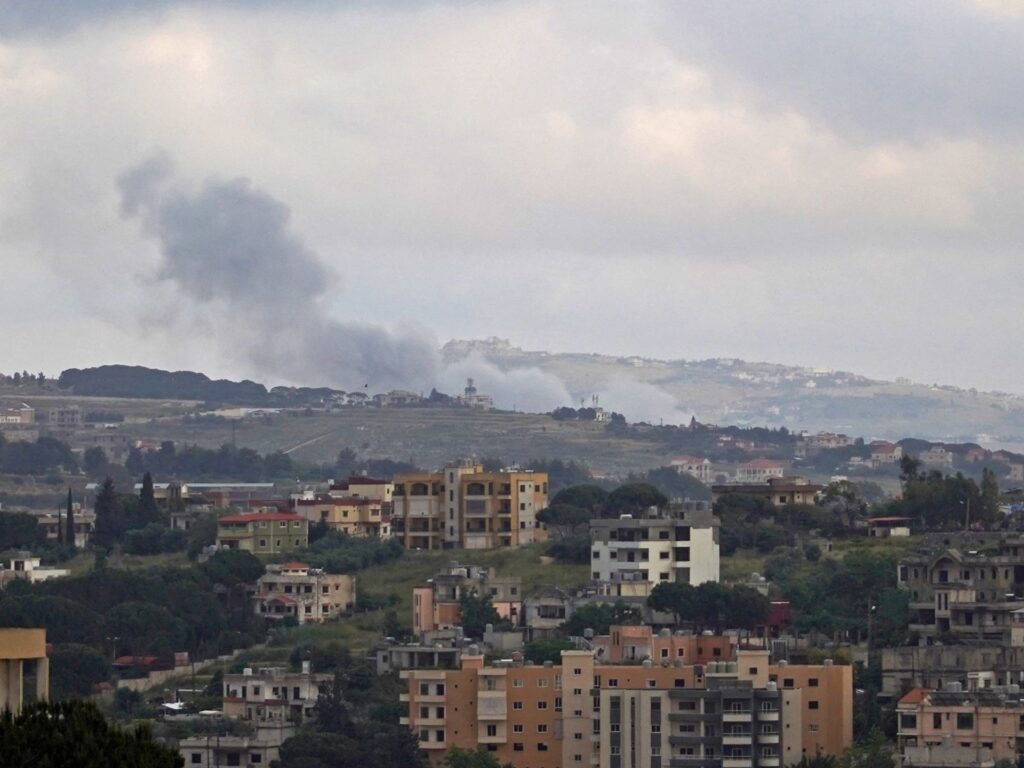
Since the ceasefire was established in mid-April, the violence between Israeli forces and groups in Lebanon has tragically continued, with over 400 fatalities reported. Recent Israeli attacks have led to several deaths in Lebanon, with reports indicating that health workers have been targeted during these operations.
The ongoing conflict has inflicted severe consequences on civilian populations, exacerbating the humanitarian crisis in the region. Health workers, essential in providing medical aid and support to the wounded, have found themselves increasingly at risk, complicating efforts to deliver necessary care.
The targeting of medical personnel and infrastructure violates international humanitarian law, which protects those providing medical services during conflicts. The disruption of these services not only endangers the lives of injured civilians but also burdens hospitals and clinics struggling to cope with the surge in casualties.
The death toll since mid-April reflects the intensity of the conflict, underscoring the urgent need for renewed diplomatic efforts to achieve a sustainable peace. Humanitarian organizations have called for immediate measures to protect civilians and ensure safe access to medical care.
The attacks have disrupted everyday life for Lebanese citizens, instilling fear and insecurity throughout affected communities. Families mourn the loss of loved ones, and the destruction of infrastructure hampers recovery efforts.
International bodies and observers continue to monitor the situation closely, urging all parties to adhere to ceasefire agreements and respect human rights. The international community’s involvement remains crucial in facilitating dialogue and providing humanitarian assistance.
As the conflict persists, the resilience of Lebanese health workers and civilians alike is tested daily. Their commitment to saving lives amidst adversity is commendable, but the circumstances necessitate stronger protections and support.
Efforts to rebuild destroyed facilities and provide psychological support to survivors are ongoing, highlighting the multifaceted challenges facing Lebanon. The path to peace requires comprehensive strategies addressing security, health, and reconstruction.
This latest escalation in violence is a stark reminder of the fragility of peace in the region and the devastating human cost of conflict. The international community must prioritize the protection of civilians, uphold humanitarian principles, and renew commitment to peaceful resolution.
In conclusion, the Israeli attacks in Lebanon resulting in numerous deaths and threats to health workers represent a serious escalation with profound humanitarian ramifications. Immediate action is essential to safeguard medical personnel, restore peace, and support the affected populations in Lebanon.